







Fire can spread within minutes, but the early signs of an emergency often appear before visible flames. Smoke, heat and unusual temperature changes can provide an important warning when they are detected on time. This is why installing a reliable Fire Alarm System in Noida is essential for commercial buildings, factories, hospitals, schools, hotels, warehouses and residential properties.
A fire alarm system is more than a collection of smoke detectors and hooters. It is a carefully planned network that detects possible fire conditions, alerts occupants and helps emergency teams locate the affected area. However, the system can perform properly only when it is designed for the building’s specific layout, occupancy and risk profile.
Working with an experienced Fire Alarm Manufacturer in Noida helps property owners select suitable equipment, plan proper coverage and maintain the system throughout its operational life.
What Is a Fire Alarm System?
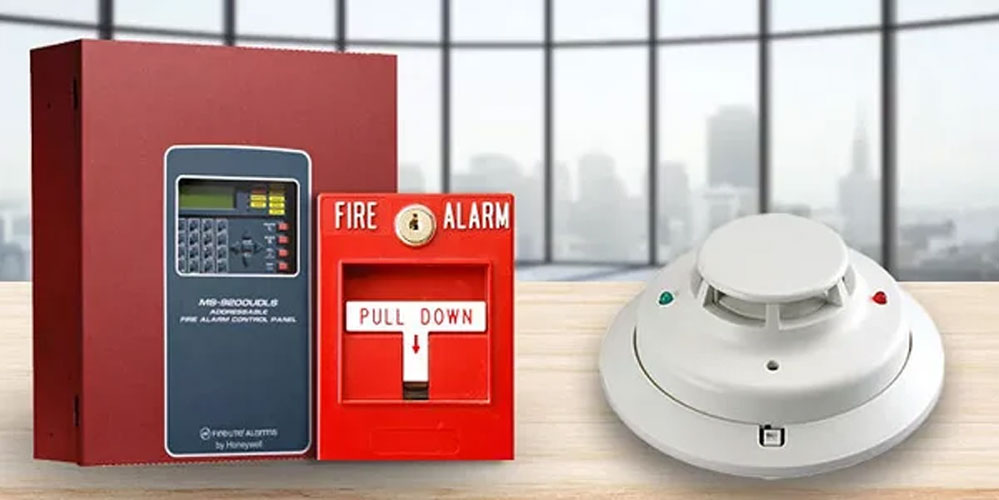
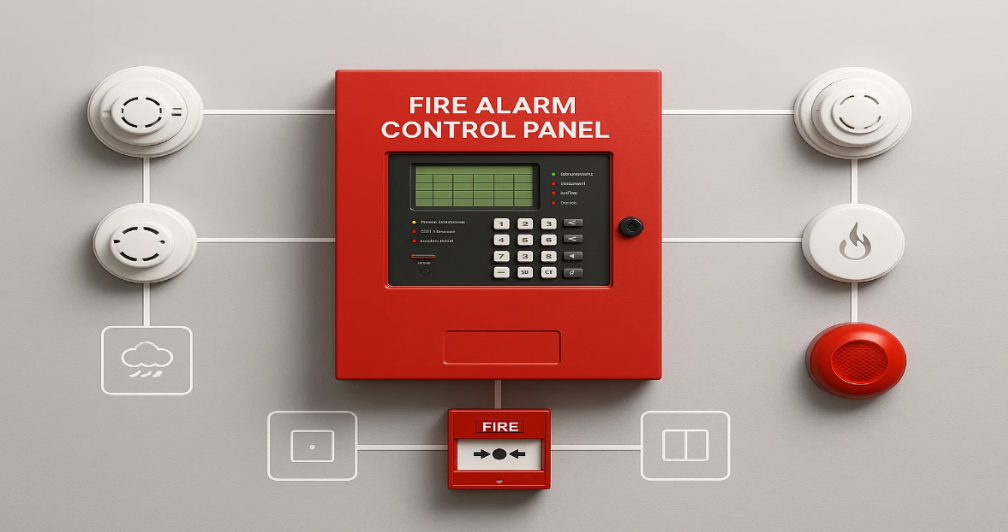
A fire alarm system is an integrated arrangement of detectors, manual activation devices, alarm notification equipment and a central control panel. Its primary purpose is to identify signs of fire and provide an early warning to building occupants.
When smoke, heat or another predefined fire condition is detected, the connected device sends a signal to the fire alarm control panel. The panel processes the signal, identifies the affected zone or device and activates notification appliances such as hooters, sounders and flashing strobes.
In advanced buildings, the fire alarm system may also be connected to:
- Public-address systems
- Lifts and elevator controls
- Air-handling units
- Smoke-control systems
- Fire doors
- Access-control systems
- Gas-based suppression systems
- Building-management systems
These integrations must be designed and tested carefully to ensure that every connected system responds correctly during an emergency.
Why Is a Fire Alarm System Important in Noida?
Noida and Greater Noida have experienced rapid growth in commercial, residential and industrial infrastructure. High-rise societies, IT parks, shopping complexes, factories, educational institutions and healthcare facilities accommodate large numbers of people and valuable assets.
These properties may contain electrical panels, server rooms, machinery, combustible materials and complex wiring networks. A fire that remains unnoticed for even a short period can create serious danger.
A properly planned Fire Alarm System in Noida can support:
- Early detection of smoke or heat
- Faster notification of building occupants
- Timely evacuation
- Quick identification of the affected location
- Better coordination among security and facility teams
- Faster initiation of emergency procedures
- Protection of business equipment and records
- Reduced operational disruption
- Compliance with applicable fire-safety requirements
A fire alarm system does not replace extinguishers, hydrants, sprinklers or safe evacuation routes. It works as an important part of the building’s complete fire and life-safety strategy.
Major Components of a Fire Alarm System
Selecting the correct devices is essential for reliable detection and notification. A professional Fire Alarm Manufacturer in Noida can recommend equipment according to the building’s purpose and environmental conditions.
- Fire Alarm Control Panel
The fire alarm control panel is the central monitoring unit of the system. It receives signals from connected detectors and manual call points before activating the required alarms.
Depending on the system, the panel may display:
- The affected zone
- The address of the activated device
- System faults
- Power-supply problems
- Battery status
- Disabled devices
- Communication errors
The panel should be installed in an accessible and supervised location where trained personnel can check it quickly.
- Smoke Detectors
Smoke detectors are designed to sense smoke particles produced during a fire. They are commonly used in offices, hotel rooms, corridors, reception areas, schools, hospitals and residential common areas.
Detector selection depends on the environment. A standard smoke detector may not be suitable for a kitchen, dusty workshop or area regularly exposed to steam.
- Heat Detectors
Heat detectors respond to a predetermined temperature or an unusually rapid rise in temperature. They may be used in kitchens, boiler rooms, workshops and other areas where dust, vapour or smoke under normal working conditions could lead to unwanted alarms.
Smoke and heat detectors have different operating characteristics. One should not be substituted for the other without a proper risk assessment.
- Manual Call Points
Manual call points allow an occupant to activate the fire alarm after noticing smoke, flames or another dangerous condition. They are generally positioned near exits, staircases and evacuation routes.
These devices must be clearly visible, accessible and free from obstruction.
- Hooters and Sounders
Hooters and sounders produce an audible evacuation warning. They should be positioned so that occupants can hear the alarm across the protected premises, including inside rooms and noisy working areas.
Alarm audibility should be checked under actual operating conditions rather than assumed from the sound produced near the control panel.
- Visual Strobes
Visual strobes produce flashing light during an alarm. They are especially useful in noisy industrial areas and locations where occupants may not hear an audible warning clearly.
A combination of audible and visual notification can provide more effective warning coverage.
- Input and Output Modules
Modules enable the fire alarm system to monitor external equipment and communicate with other building systems. Depending on the approved design, they may initiate actions such as lift recall, air-handling shutdown or fire-door release.
- Power Supply and Backup Batteries
A fire alarm system requires a dependable primary power supply and suitable standby batteries. Backup power helps the system continue operating during a power failure, subject to the approved system design.
Battery condition and charging performance should be tested during scheduled maintenance.
Types of Fire Alarm Systems
Property owners can choose between different fire alarm technologies. The correct option depends on the building’s size, use, layout and monitoring requirements.
Conventional Fire Alarm System
A conventional system divides a property into multiple fire-alarm zones. If a detector or manual call point activates, the panel identifies the affected zone but may not show the exact device.
Conventional systems may be suitable for smaller properties with simple layouts, such as:
- Small offices
- Retail stores
- Clinics
- Restaurants
- Individual commercial units
- Small warehouses
They are relatively simple to operate, but locating the activated device may require a physical inspection of the complete zone.
Addressable Fire Alarm System
An addressable system assigns a unique identity to every connected device. When an alarm occurs, the control panel can display the specific detector or call point that initiated it.
This makes addressable systems suitable for:
- Multi-storey buildings
- Hospitals
- Hotels
- Large corporate offices
- Educational campuses
- Shopping centres
- Industrial facilities
- Large warehouses
The detailed location information helps trained teams investigate the affected area more efficiently.
How to Select the Right Fire Alarm System
A fire alarm system should not be selected only according to price or the total number of detectors. A professional assessment should be completed before the system is finalised.
Assess the Building’s Occupancy
The system design must consider how the property is used and who occupies it. A hospital requires different planning from a warehouse because patients may need assistance during evacuation. Similarly, a factory may contain machinery and materials that create risks not normally present in an office.
Identify High-Risk Areas
The assessment should identify areas where a fire is more likely to begin or remain unnoticed, including:
- Electrical and transformer rooms
- Server and data rooms
- Kitchens
- Storage areas
- Basements
- Parking areas
- Production units
- Control rooms
- Cable shafts
- Generator rooms
Suitable detection technology should then be selected for each location.
Consider the Building Layout
Walls, partitions, ceiling height, false ceilings, ventilation systems and storage arrangements can affect detector performance. Every protected area should be evaluated individually.
Changes made during renovation can also affect the coverage of an existing system. The system design should therefore be reviewed whenever the building layout changes.
Plan for Future Expansion
Businesses may expand their offices, production areas or storage facilities. A properly selected control panel should offer sufficient capacity for reasonable future additions.
This reduces the need to replace the complete system when the property grows.
Fire-Alarm Standards and Approval Requirements
Fire alarm systems in India should be planned with reference to applicable provisions of the National Building Code of India, relevant Indian Standards, approved building plans and instructions issued by the competent fire authority.
Part 4 of the National Building Code covers fire and life-safety considerations for buildings. IS 2189 is also an important reference concerning the selection, installation and maintenance of automatic fire detection and alarm systems.
In Uttar Pradesh, eligible applicants can access Fire No Objection Certificate-related services through the official Nivesh Mitra process. Requirements can vary according to the property’s occupancy, area, height, use and risk category.
Building owners should consult qualified professionals and the competent authority to confirm the currently applicable standards, approvals and inspection requirements. Purchasing fire alarm equipment alone does not establish regulatory compliance.
Why Professional Installation Matters
Even good-quality equipment may provide inadequate protection if it is positioned or configured incorrectly. Installation should therefore be handled by trained professionals.
A systematic installation process generally includes:
- Site survey and risk assessment
- Review of building drawings
- Selection of detectors and alarm devices
- Control-panel capacity planning
- Zoning and cable planning
- Installation and device labelling
- Panel programming
- Integration with related building systems
- Functional testing and commissioning
- User training and document handover
A dependable Fire Alarm Manufacturer in Greater Noida should help clients understand the proposed system rather than simply provide a list of products. Device locations, alarm zones, system limitations and maintenance requirements should be clearly explained.
Testing and Commissioning
Testing confirms whether all parts of the fire alarm system work together as intended. Every detector, manual call point, sounder, strobe and interface should be checked.
Commissioning should verify:
- Detector operation
- Manual call-point activation
- Zone and device identification
- Alarm audibility
- Visual alarm operation
- Fault monitoring
- Backup battery performance
- Connected system responses
- Panel indications
- Reset and silence functions
Relevant drawings, device lists, test reports and operating instructions should be provided to the property owner or facility team after completion.
Importance of Regular Maintenance
Installing a Fire Alarm System in Noida is only the beginning. The system must remain operational every day, including when the building is closed or the primary power supply is unavailable.
Dust, moisture, construction activity, damaged cables, discharged batteries and unauthorised modifications can affect performance. Routine inspection and preventive maintenance help identify such problems before an emergency occurs.
Maintenance activities may include:
- Checking the panel for faults
- Testing detectors and call points
- Cleaning devices when required
- Testing hooters and strobes
- Inspecting batteries and chargers
- Verifying zone information
- Checking connected interfaces
- Updating records after repairs
- Reviewing the system following renovations
The testing schedule should follow applicable requirements, manufacturer recommendations and the site’s fire-risk conditions.
Common Fire Alarm Mistakes to Avoid
Several preventable mistakes can reduce the effectiveness of a fire alarm system:
- Selecting devices only on the basis of low price
- Using the wrong detector type
- Covering detectors during renovation and failing to uncover them
- Blocking manual call points
- Ignoring repeated panel faults
- Disconnecting devices due to false alarms
- Installing incompatible components
- Failing to test backup batteries
- Changing the building layout without reviewing detection coverage
- Allowing untrained people to modify panel programming
- Not maintaining service and testing records
False alarms should be investigated properly. Permanently disabling the affected detector without correcting the actual cause can leave part of the property unprotected.
Choosing a Fire Alarm Manufacturer in Noida
When selecting a Fire Alarm Manufacturer in Noida, consider more than product availability. Look for a company that understands complete fire-alarm planning and provides support from the initial survey through maintenance.
Ask the provider about:
- Site-survey procedures
- Available conventional and addressable systems
- Equipment compatibility
- System-design support
- Installation experience
- Testing and commissioning
- Technical documentation
- Operator training
- Preventive maintenance
- After-sales assistance
For projects located outside central Noida, working with an experienced Fire Alarm Manufacturer in Greater Noida can also provide faster site coordination and service support.
Why Choose Innovative Fire Protection?
Innovative Fire Protection provides fire-alarm solutions for commercial, residential and industrial properties in Noida and Greater Noida. The approach includes understanding the premises, identifying fire risks and recommending an appropriate detection and notification arrangement.
Services can cover system planning, equipment supply, installation, testing, commissioning and maintenance. Every final design should be prepared according to the actual site conditions and reviewed against the applicable requirements.
Conclusion
A reliable Fire Alarm System in Noida provides the early warning needed to begin evacuation and emergency response without unnecessary delay. However, its effectiveness depends on correct design, suitable devices, professional installation and consistent maintenance.
Whether you are planning a system for an office, factory, hospital, school, warehouse, hotel or residential property, consult an experienced Fire Alarm Manufacturer in Noida before choosing the equipment.
Innovative Fire Protection supports property owners looking for a dependable Fire Alarm Manufacturer in Greater Noida and Noida. With risk-based planning, professional installation and regular maintenance, businesses can build a stronger and more responsible fire-safety system.