








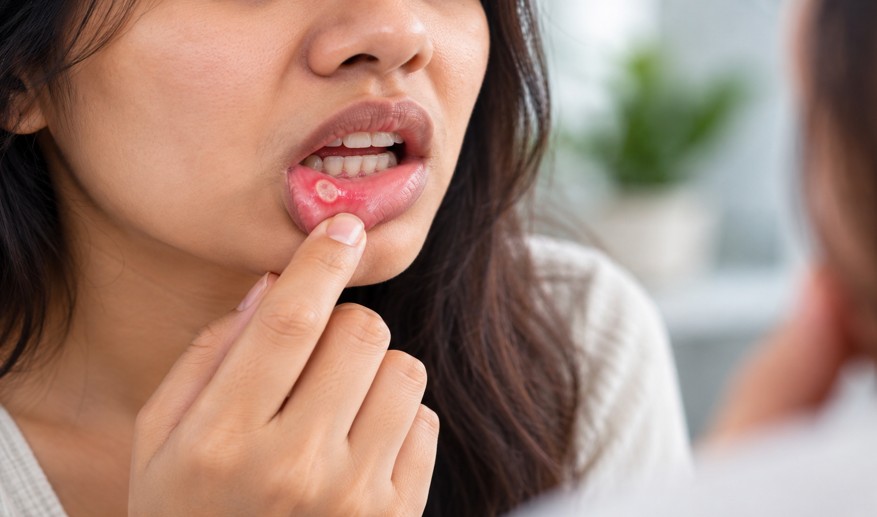
Almost everyone has experienced a mouth ulcer. It might appear after accidentally biting your cheek, eating something too hot or going through a stressful week.
Usually, you apply a little gel, avoid spicy food for a few days, and forget about it once the pain disappears.
But what happens when the ulcer doesn’t heal?
Most mouth ulcers are harmless. However, a sore that stays longer than expected can sometimes be an early warning sign of something more serious.
Knowing the difference between an ordinary ulcer and possible mouth cancer symptoms can help you decide when to wait and when it’s time to see a doctor.
Mouth Ulcer or Mouth Cancer? Why the Difference Matters
A typical mouth ulcer is a small, often painful sore that develops inside the cheeks, on the tongue, gums or lips. Most heal naturally within one to two weeks.
Mouth cancer, on the other hand, can sometimes begin as a sore that looks surprisingly similar.
The difference isn’t always obvious. While ordinary ulcers generally become less painful and gradually disappear, a suspicious sore may remain unchanged, grow or develop other unusual features.
That doesn’t mean every persistent ulcer is cancer.
It simply means that an ulcer that isn’t healing deserves attention, even if it doesn’t hurt.
Common Mouth Ulcers: What Causes Them and How Long Do They Take to Heal?
Before worrying about cancer, it’s worth understanding why mouth ulcers develop in the first place.
Some of the most common reasons include:
- Accidental biting: Biting your cheek or tongue while eating can leave a painful sore.
- Sharp or broken teeth: A rough tooth edge may repeatedly injure the same area.
- Ill-fitting dentures: Constant rubbing against the gums or cheeks can cause irritation.
- Hot or spicy food: Burns from hot food and irritation from spicy or acidic foods can trigger or worsen sores.
- Vitamin deficiencies: Low levels of vitamin B12, folate or iron may contribute to recurring ulcers.
- Stress and tiredness: Some people notice more ulcers during particularly stressful periods.
Most minor ulcers improve noticeably within several days and heal within one to two weeks.
However, if the same sore keeps returning, isn’t showing signs of healing or looks different from your usual ulcers, don’t assume it will disappear on its own.
Mouth Cancer Symptoms That Can Look Like an Ordinary Ulcer
Recognising early mouth cancer symptoms isn’t always easy because several signs can resemble everyday dental problems.
Here are six changes you shouldn’t ignore.
1. An Ulcer That Refuses to Heal
A common ulcer usually begins improving within days.
A sore that remains for two weeks without clear improvement, particularly one lasting three weeks, should be examined by a dentist or doctor.
2. Red or White Patches Inside the Mouth
Not every suspicious change looks like an ulcer.
Persistent red, white or mixed-colour patches on the tongue, gums or inside the cheeks may require examination, especially when they don’t disappear.
3. A Lump or Thickened Area
You might notice a small swelling, rough patch or thickened area that wasn’t there before.
Unlike temporary swelling from an injury, a persistent or growing lump needs medical assessment.
4. Unexplained Bleeding or Numbness
Occasional gum bleeding can happen because of dental problems.
However, repeated unexplained bleeding, persistent numbness or an unusual change in sensation inside the mouth shouldn’t be ignored.
5. Difficulty Chewing or Swallowing
Pain while eating may simply come from an ulcer.
But persistent difficulty chewing, swallowing or moving your tongue can indicate a problem requiring further investigation.
6. A Loose Tooth or Persistent Neck Lump
A tooth becoming loose without a clear dental explanation, or a lump appearing in the neck, may occasionally be associated with oral cancer.
These signs deserve attention even when there is little or no pain.
Wait or See a Doctor? A Simple Guide
Not every mouth ulcer needs an immediate hospital visit. The important thing is to watch how it changes.
When it’s reasonable to wait briefly:
- The ulcer appeared after clearly biting your cheek or tongue.
- It is small, and the discomfort is reducing each day.
- You can see that the sore is gradually getting smaller.
- There are no other unusual symptoms.
In these situations, monitoring it for a few days while avoiding further irritation is generally reasonable.
When you should see a dentist or doctor:
- The ulcer hasn’t improved after approximately two weeks.
- It lasts three weeks, even if it isn’t painful.
- The sore is growing, bleeding or becoming harder around its edges.
- You notice persistent red or white patches, a lump or unexplained numbness.
- Eating, drinking or swallowing becomes increasingly difficult.
If you’re unable to swallow liquids, have significant uncontrolled bleeding or develop breathing difficulties, seek urgent medical attention.
A useful rule: If an ulcer isn’t clearly healing, get it checked rather than repeatedly treating it yourself.
Mouth Cancer Diagnosis: What Happens at the Check-Up?
Many people delay appointments because they’re worried about what the doctor might find.
In reality, the first examination is usually straightforward.
Step 1: Mouth and neck examination
Your dentist, ENT specialist or doctor examines your mouth, tongue, gums and cheeks. They may also feel your jaw and neck for unusual lumps.
Step 2: Biopsy, if required
If an area looks suspicious, a specialist may take a small tissue sample. This is examined in a laboratory to determine whether cancerous cells are present.
Step 3: Imaging tests
If cancer is diagnosed or strongly suspected, CT or MRI scans may be recommended to understand its location and extent.
Not everyone needs every test. The investigations depend on what the doctor finds.
Mouth Cancer Treatment: Choosing a Cancer Hospital in Mumbai
Hearing the word “cancer” is frightening. But when mouth cancer is detected early, treatment may be more straightforward, and the chances of successful treatment are often better.
Treatment depends on the location, size and stage of the cancer, along with the patient’s overall health.
Common treatment options include:
- Surgery: Often the main treatment for removing an oral cancer.
- Radiotherapy: Uses carefully directed radiation to destroy cancer cells.
- Chemotherapy: May be combined with radiotherapy or used in selected advanced cases.
- Targeted therapy: Medicines that act on particular processes involved in cancer growth.
- Immunotherapy: Helps the immune system fight cancer, generally in selected recurrent or advanced cases.
When choosing a cancer hospital in Mumbai, look for experienced head and neck cancer specialists, appropriate imaging facilities, coordinated treatment planning and rehabilitation support.
Patients comparing a cancer hospital in Mumbai with treatment options closer to Pune or Satara can also explore Onco-Life Cancer Centre.
Contact Onco-Life Cancer Centre to enquire about an oncology consultation, available treatment options and the next steps if you’ve been advised to undergo further evaluation.
What to Do While You Monitor an Ulcer
If you’ve noticed a recent mouth ulcer, a few simple habits can help reduce discomfort while you monitor its progress.
- Avoid very spicy, acidic or hot foods that irritate the sore.
- Use a soft toothbrush and maintain gentle oral hygiene.
- Avoid tobacco, gutkha, khaini and supari.
- Drink enough water and choose softer foods if eating hurts.
- Note when the ulcer appeared and whether it’s getting smaller.
- Have sharp teeth or uncomfortable dentures checked by a dentist.
- Avoid repeatedly applying medications without professional advice.
Most importantly, don’t allow temporary pain relief from an ulcer gel to convince you that a persistent sore has healed.
Most mouth ulcers are harmless. But an ulcer that won’t heal shouldn’t be ignored.
A simple dental or medical examination can offer reassurance, identify another treatable condition or help detect a serious problem earlier.