




Safety is no longer optional—it is a necessity, especially in rapidly growing urban regions like Noida. With high-rise apartments, commercial complexes, IT parks, and industrial units expanding every year, the demand for a reliable Fire Alarm system in Noida has significantly increased. Whether it’s a residential building or a commercial establishment, fire detection and alert systems play a critical role in protecting lives and property.
However, the requirements for fire alarm systems vary greatly between residential and commercial spaces. Understanding these differences helps property owners, builders, and facility managers make informed decisions and ensure compliance with safety regulations.
In this blog, we will explore the key differences between residential and commercial fire alarm systems, their requirements, and why choosing the right Fire Alarm system in Noida is essential.
Why Fire Alarm Systems Are Essential in Noida
Noida has witnessed rapid urbanization, with a mix of residential societies, office complexes, malls, and industrial setups. With increasing density, the risk of fire incidents also rises due to:
- Electrical faults
- Overloaded circuits
- Flammable materials
- HVAC system failures
- Human negligence
A well-installed Fire Alarm system in Noida ensures early detection of smoke or fire, enabling timely evacuation and minimizing damage.
What is a Fire Alarm System?
A fire alarm system is a network of devices designed to detect fire, smoke, or heat and alert occupants through audible and visual signals.
Key Components:
- Smoke detectors
- Heat detectors
- Control panel
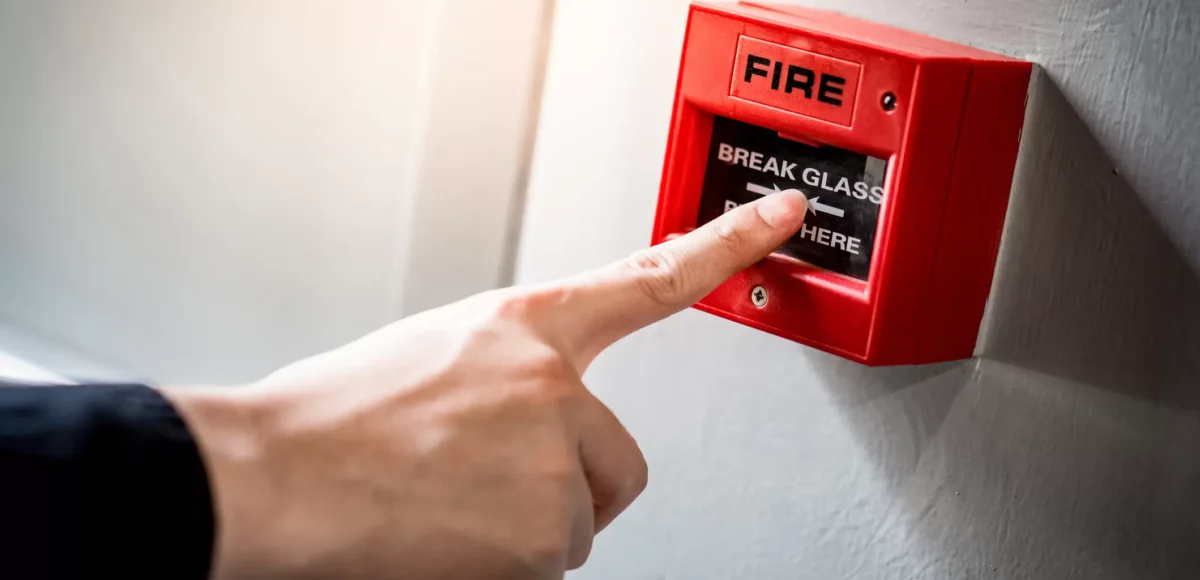
- Manual call points
- Alarm sounders and sirens
- Notification devices
A properly designed Fire Alarm system in Noida integrates all these components to provide complete safety coverage.
Residential Fire Alarm System Requirements
Residential buildings include apartments, villas, and housing societies. While the primary goal remains safety, the system design is generally simpler compared to commercial setups.
1. Basic Detection Systems
Most homes require:
- Smoke detectors in bedrooms, living rooms, and kitchens
- Heat detectors in areas prone to temperature changes
A standard Fire Alarm system in Noida for residential use focuses on early detection rather than complex automation.
2. Standalone or Small Network Systems
Residential systems are often:
- Battery-operated or connected to a basic control panel
- Independent units or small interconnected systems
This ensures affordability while maintaining safety.
3. Audible Alerts
The system must provide:
- Loud sirens or alarms
- Alerts that can wake sleeping occupants
In a residential Fire Alarm system in Noida, clear and immediate alerts are crucial.
4. Easy Installation and Maintenance
Homeowners prefer:
- Simple installation
- Low maintenance costs
- User-friendly operation
5. Compliance with Local Safety Norms
Builders and housing societies must comply with:
- Local fire safety regulations
- Basic fire detection requirements
Commercial Fire Alarm System Requirements
Commercial properties include offices, malls, hotels, hospitals, factories, and IT parks. These spaces have higher occupancy and more complex layouts, requiring advanced systems.
1. Addressable Fire Alarm Systems
Unlike residential setups, commercial buildings often use:
- Addressable systems that identify the exact location of fire
This makes the Fire Alarm system in Noida more efficient for large spaces.
2. Integration with Other Safety Systems
Commercial systems are integrated with:
- Sprinkler systems
- Fire suppression systems
- Emergency lighting
- HVAC shutdown systems
This integration ensures a coordinated response during emergencies.
3. Centralized Control Panel
A commercial Fire Alarm system in Noida includes:
- A centralized control panel
- Real-time monitoring
- Automatic alerts to security teams
4. Zoning and Coverage
Large buildings are divided into zones:
- Each zone monitored separately
- Faster identification and evacuation
5. Voice Evacuation Systems
In commercial setups:
- Voice alarms guide people during emergencies
- Instructions reduce panic and confusion
6. Compliance with Strict Fire Safety Regulations
Commercial properties must adhere to:
- National Building Code (NBC)
- Fire department guidelines
- Regular inspections and audits
A certified Fire Alarm system in Noida is mandatory for operational approval.
Key Differences: Residential vs Commercial Fire Alarm Systems
| Feature | Residential | Commercial |
| System Type | Basic / Standalone | Advanced / Addressable |
| Coverage | Limited | Large and Zoned |
| Integration | Minimal | Fully Integrated |
| Control Panel | Simple | Centralized and Automated |
| Alerts | Sirens | Sirens + Voice Alerts |
| Compliance | Basic | Strict Regulatory Standards |
| Maintenance | Low | Regular Professional Maintenance |
Choosing the Right Fire Alarm System in Noida
Selecting the right system depends on several factors:
1. Property Type
- Apartments → Basic systems
- Offices & malls → Advanced addressable systems
2. Size of the Area
Larger spaces require:
- Zoned detection
- Central monitoring
3. Occupancy Level
High footfall areas need:
- Faster detection
- Voice evacuation systems
4. Budget and Scalability
A good Fire Alarm system in Noida should:
- Fit your budget
- Allow future upgrades
Importance of Professional Installation
Installing a fire alarm system is not a DIY task. Professional installation ensures:
- Correct placement of detectors
- Proper wiring and integration
- Compliance with fire safety standards
- Reliable system performance
An improperly installed Fire Alarm system in Noida can fail during emergencies, leading to serious consequences.
Maintenance and Regular Testing
Both residential and commercial systems require periodic maintenance:
Residential Maintenance:
- Battery checks
- Sensor cleaning
- Alarm testing
Commercial Maintenance:
- Routine inspections
- System calibration
- Compliance audits
Regular servicing ensures your Fire Alarm system in Noida remains functional at all times.
Benefits of Installing a Fire Alarm System
1. Early Detection Saves Lives
Quick alerts help occupants evacuate safely.
2. Property Protection
Minimizes damage by enabling faster response.
3. Legal Compliance
Mandatory for commercial buildings in Noida.
4. Insurance Benefits
Many insurers offer better coverage with proper fire safety systems.
5. Peace of Mind
Knowing your property is protected 24/7.
Future of Fire Alarm Systems in Noida
With advancements in technology, modern fire alarm systems are becoming smarter:
- IoT-enabled fire detection
- Remote monitoring via mobile apps
- AI-based fire prediction systems
- Integration with smart building systems
The future of Fire Alarm system in Noida is moving toward automation, real-time alerts, and predictive safety measures.
Conclusion
Fire safety is a critical aspect of modern living and infrastructure development in Noida. While residential fire alarm systems focus on basic detection and alerts, commercial systems require advanced features, integration, and strict compliance.
Understanding the differences between residential and commercial requirements helps you choose the right Fire Alarm system in Noida for your needs. Whether you are a homeowner, builder, or business owner, investing in a reliable fire alarm system is not just a regulatory requirement—it is a responsibility.
A well-designed and properly maintained system can make the difference between a minor incident and a major disaster. So, ensure your property is equipped with the right fire safety solutions and stay protected at all times.