







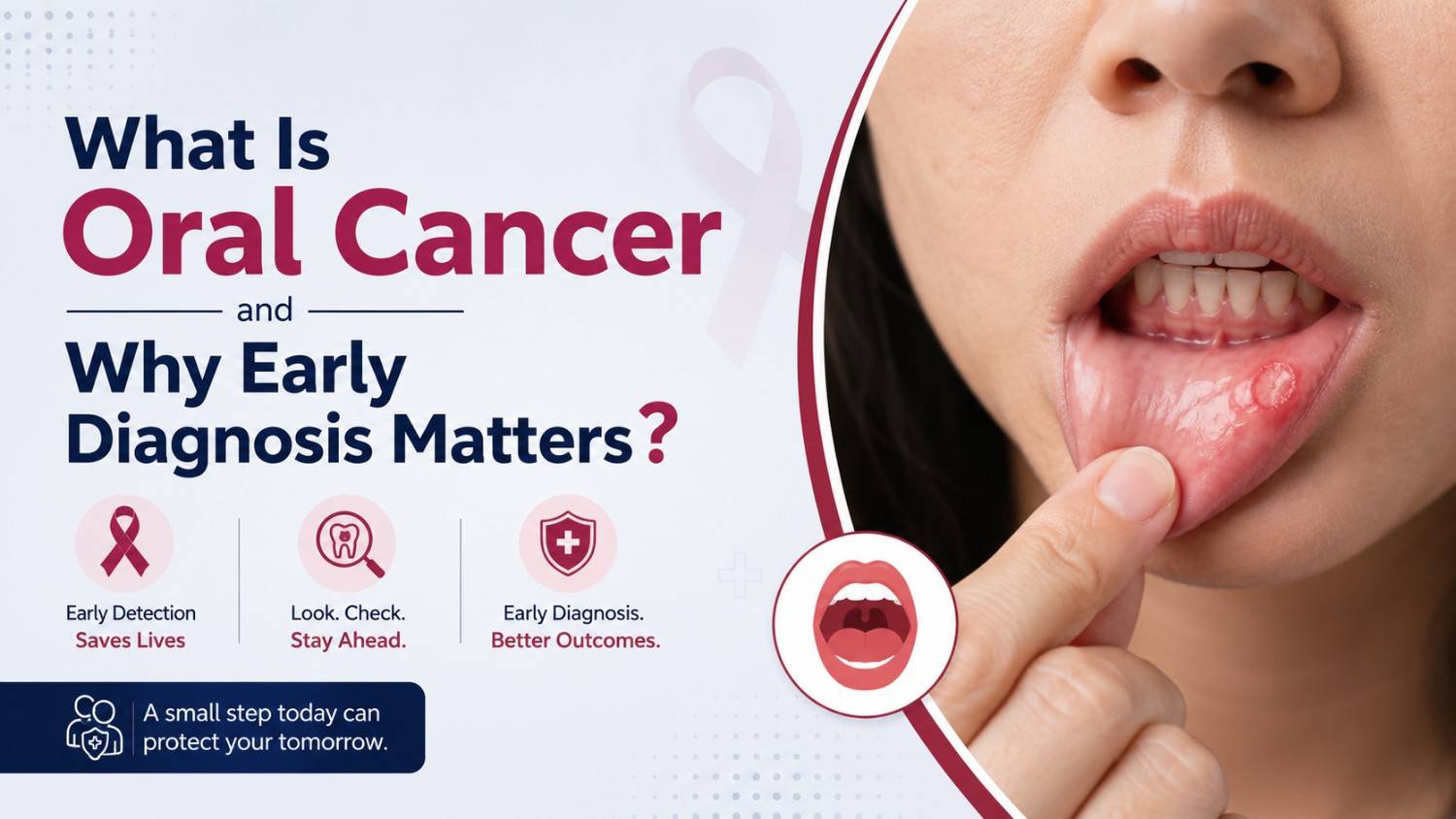
Oral cancer is a serious health condition that affects thousands of people every year. Despite advancements in medical science, many cases are still diagnosed at an advanced stage, making treatment more complex and reducing the chances of successful recovery. Understanding oral cancer, recognizing its early symptoms, and seeking timely medical attention can make a significant difference in treatment outcomes and quality of life.
If you or your loved one notice any unusual changes in the mouth, tongue, gums, or throat, consulting an experienced oral cancer doctor in Lucknow can help ensure early detection and effective treatment.
Understanding Oral Cancer
Oral cancer, also known as mouth cancer, refers to the abnormal growth of cells in the mouth or oral cavity. It can develop in different parts of the mouth, including:
- Tongue
- Lips
- Gums
- Inner lining of the cheeks
- Roof of the mouth
- Floor of the mouth
- Throat (oropharynx)
Like other forms of cancer, oral cancer occurs when cells grow uncontrollably and form tumors. If left untreated, these cancerous cells can spread to nearby tissues, lymph nodes, and other parts of the body.
Causes and Risk Factors of Oral Cancer
Several factors can increase the risk of developing oral cancer. Understanding these risk factors can help individuals take preventive measures and seek timely medical evaluation.
1. Tobacco Use
Smoking cigarettes, cigars, bidis, or using smokeless tobacco products such as gutka, khaini, and chewing tobacco significantly increases the risk of oral cancer.
2. Excessive Alcohol Consumption
Heavy alcohol consumption can damage oral tissues and increase the likelihood of cancer development, especially when combined with tobacco use.
3. Human Papillomavirus (HPV)
Certain strains of HPV, particularly HPV-16, have been linked to cancers of the throat and oral cavity.
4. Poor Oral Hygiene
Neglecting oral health and dental care may contribute to chronic irritation and increase the risk of oral diseases, including cancer.
5. Prolonged Sun Exposure
Excessive exposure to sunlight can increase the risk of lip cancer, a type of oral cancer.
6. Family History
Individuals with a family history of cancer may have a slightly higher risk of developing oral cancer.
7. Weak Immune System
People with weakened immune systems may be more susceptible to various cancers, including oral cancer.
Common Symptoms of Oral Cancer
One of the biggest challenges with oral cancer is that its symptoms can often be mistaken for minor dental or oral problems. However, persistent symptoms should never be ignored.
Some common signs and symptoms include:
- Persistent mouth sores that do not heal
- Red or white patches inside the mouth
- Lump or thickening in the cheek
- Difficulty swallowing
- Persistent sore throat
- Pain while chewing
- Numbness in the tongue or mouth
- Loose teeth without dental cause
- Jaw pain or stiffness
- Voice changes
- Unexplained weight loss
If any of these symptoms persist for more than two weeks, immediate consultation with an oral cancer specialist is highly recommended.
Why Early Diagnosis Matters
Early diagnosis plays a crucial role in the successful treatment of oral cancer. Detecting cancer at an early stage offers several advantages that can significantly improve patient outcomes.
Higher Survival Rates
Studies have consistently shown that oral cancer diagnosed in its early stages has a much higher survival rate compared to advanced-stage cancer. Early-stage cancers are generally smaller and localized, making them easier to treat effectively.
Less Extensive Treatment
When detected early, treatment may require less aggressive surgery and fewer additional therapies such as radiation or chemotherapy. This reduces treatment-related side effects and helps preserve normal oral functions.
Better Quality of Life
Early treatment can help maintain important functions such as speaking, chewing, swallowing, and facial appearance. Advanced oral cancer often requires extensive surgical procedures that may affect these functions.
Also Read: Slimline Aluminium Doors: The Minimalist Design Trend Taking Over Indian Homes
Reduced Risk of Cancer Spread
Cancer that is identified early is less likely to have spread to nearby lymph nodes or distant organs. This significantly improves the chances of complete recovery.
Lower Treatment Costs
Treating cancer at an early stage is often less expensive than managing advanced disease, which may require complex surgeries, prolonged hospitalization, and multiple treatment modalities.
How Oral Cancer Is Diagnosed
Modern medical technology has made it easier to detect oral cancer at an early stage.
Physical Examination
A specialist carefully examines the mouth, tongue, throat, gums, and neck for abnormal lesions, lumps, or tissue changes.
Biopsy
A biopsy involves removing a small tissue sample from the suspicious area for laboratory examination. This is the most reliable method for confirming oral cancer.
Imaging Tests
Imaging techniques such as:
- CT Scan
- MRI
- PET Scan
- Ultrasound
help determine the size, location, and spread of cancer.
Endoscopy
In some cases, doctors use an endoscope to examine deeper areas of the throat and upper airway.
Treatment Options for Oral Cancer
The treatment plan depends on the cancer stage, location, size, and overall health of the patient.
Surgery
Surgery is often the primary treatment for oral cancer. The goal is to remove the cancerous tissue while preserving as much healthy tissue as possible.
Radiation Therapy
Radiation uses high-energy beams to destroy cancer cells and may be used alone or in combination with surgery.
Chemotherapy
Chemotherapy involves the use of drugs to kill cancer cells and is often recommended for advanced-stage cancers.
Targeted Therapy
Targeted therapies specifically attack cancer cells while minimizing damage to healthy tissues.
Reconstructive Surgery
Patients undergoing extensive tumor removal may require reconstructive procedures to restore appearance and oral functions.
Prevention Tips for Oral Cancer
While not all cases of oral cancer can be prevented, adopting healthy habits can significantly reduce risk.
Quit Tobacco Products
Avoid smoking and chewing tobacco products entirely.
Limit Alcohol Intake
Moderate alcohol consumption or complete avoidance can help lower oral cancer risk.
Maintain Good Oral Hygiene
Regular brushing, flossing, and dental checkups are essential for oral health.
Eat a Healthy Diet
A diet rich in fruits and vegetables provides antioxidants that may help protect against cancer.
Protect Your Lips
Use lip balm with SPF protection when spending extended periods in the sun.
Regular Oral Cancer Screenings
Routine dental and medical examinations can help detect suspicious changes before they become serious.
Expert Oral Cancer Care in Lucknow
When facing oral cancer, choosing an experienced specialist is one of the most important decisions. Patients seeking advanced diagnosis and treatment can consult Dr. Kamlesh Verma, recognized as the best oral cancer surgeon in Lucknow. With extensive expertise in head and neck oncology, Dr. Verma is dedicated to providing comprehensive cancer care using modern surgical techniques and personalized treatment plans.
Whether you need an initial consultation, second opinion, diagnosis, surgery, or follow-up care, an experienced Oral Cancer Surgeon in Lucknow can help guide you through every stage of treatment with confidence and compassion.
Conclusion
Oral cancer is a potentially life-threatening disease, but early detection can dramatically improve treatment success and survival rates. Being aware of the warning signs, understanding the risk factors, and seeking prompt medical attention are essential steps toward protecting your health.
Never ignore persistent mouth ulcers, unusual patches, swallowing difficulties, or unexplained oral discomfort. Regular screenings and timely consultations with an experienced Oral Cancer Doctor in Lucknow can make all the difference.
If you are looking for expert oral cancer treatment, Dr. Kamlesh Verma, Best Oral Cancer Surgeon in Lucknow, offers specialized care focused on early diagnosis, advanced treatment, and improved patient outcomes. Early action saves lives, and when it comes to oral cancer, every moment matters.