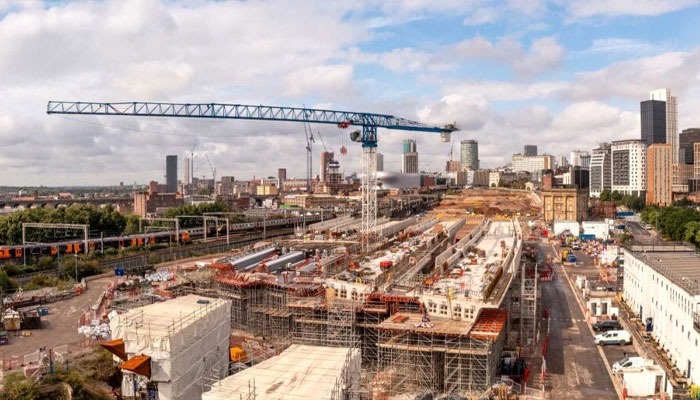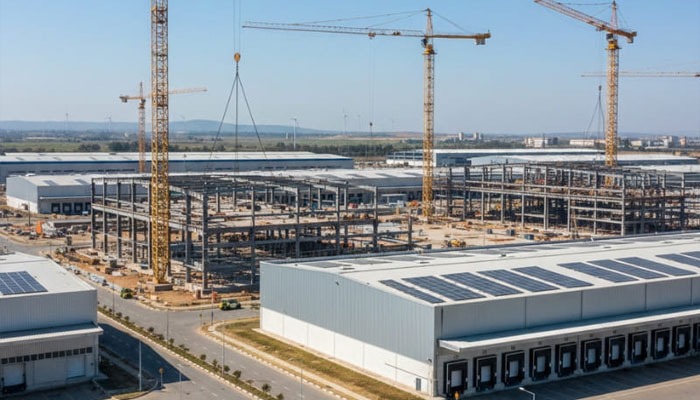







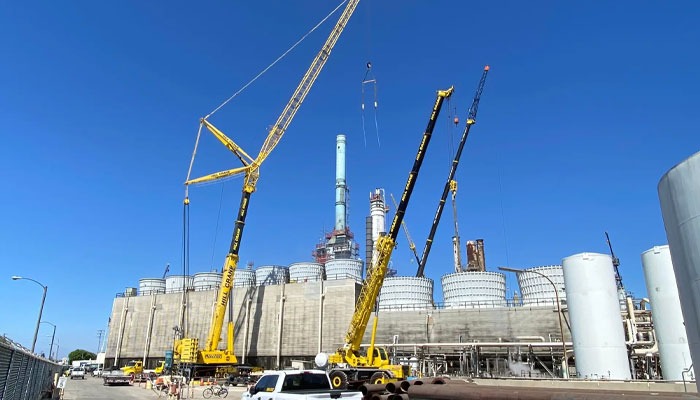
The modern architectural era is defined by vertical ambition, sprawling industrial corridors, and massive logistical complex structures. From high-rise residential towers reshaping major metropolitan bays to complex oil and gas installations expanding across desert sectors, infrastructure projects now demand unprecedented lifting capacities. Moving giant precast concrete beams, massive structural steel frameworks, and high-capacity central mechanical units requires far more than basic construction site layouts. It demands a highly specialized, engineering-driven approach to heavy lifting and industrial equipment logistics.
When project managers, port authorities, and operations directors schedule large-scale industrial builds, managing structural risk and time efficiency is paramount. Heavy lifting operations are critical paths on any blueprint; a minor logistical delay or an uncertified equipment deployment can stall the entire pipeline, resulting in heavy budget overruns. To eliminate these vulnerabilities, engineering teams utilize advanced rigging analysis, high-capacity fleet networks, and highly trained operational crews. By matching precise weight engineering with agile machinery deployment, developers can overcome spatial restrictions and complete intricate heavy lifts with absolute safety.
The Economics of Heavy Equipment Leasing in Dynamic Markets
The transition toward agile capital deployment has radically altered how enterprise developers manage their construction assets. Purchasing, maintaining, and certifying a massive fleet of custom cranes requires immense capital allocation, dedicated transport facilities, and significant internal overheads.
Fleet Adaptability and Strategic Cost Minimization
Every construction environment features unique logistical variables, including ground soil density, tight spatial clearance between existing structures, and varying elevation requirements. A crane configuration that performs perfectly on an open, flat industrial site will completely fail when deployed inside a tight, built-up urban financial district. Capital leasing models allow engineering firms to pick the exact machinery class required for their current phase of development without taking on the heavy depreciation liabilities of ownership.
Uncompromising Regulatory Certifications and Safety Norms
Modern heavy lifting is bound by strict regional and international safety mandates. Every piece of equipment operating on a commercial or industrial site must pass rigorous structural checks, load-cell calibrations, and non-destructive testing loops. Partnering with a verified, elite logistics provider for your high-capacity Crane Hire UAE needs ensures that every asset arriving on-site is backed by updated third-party safety certificates, flawless maintenance logs, and comprehensive insurance coverage. This extreme dedication to equipment quality eliminates mechanical failures, passes strict municipal inspections instantly, and protects the safety of the entire on-site workforce.
Navigating Complex Lifting Challenges in Tight Urban Spaces
As urban landscapes become increasingly dense, construction sites are shrinking horizontally, forcing developers to build closer to active roads, utility networks, and pedestrian avenues. In these restricted spaces, assembling massive fixed tower structures is often structurally impossible or logistically banned by city transport authorities.
To bypass these spatial bottlenecks, project planners rely heavily on mobile, rubber-tired lifting equipment that can drive right onto the site, set up stabilizers within minutes, execute high-tonnage lifts, and leave immediately to clear up local traffic. Utilizing an engineered Mobile Crane Rental Dubai gives site superintendents high-capacity lift performance combined with unmatched mobility. Whether it is lifting massive industrial chiller units onto the roof of a luxury hotel in downtown corridors or setting up heavy steel columns for a new logistics park, these agile mobile units deliver the precise structural range and hydraulic stability required to work effectively around tight city grids.
The Engineering Science of Advanced Rigging and Lift Planning
Executing a high-risk lift is a precise mathematical calculation that requires extensive preparation before the hook ever engages the load. Modern lifting companies rely on specialized digital systems to map out every single variable.
3D Lift Simulations and Center of Gravity Mapping
Every high-value industrial lift undergoes detailed digital modeling. Lift engineers use advanced software to enter the exact weight of the load, create detailed rigging diagrams, determine the correct placement of synthetic slings and spreader bars, and map out the entire arc of the crane boom. This deep simulation identifies potential boom interference issues, calculates wind load pressures at high altitudes, and ensures the machine remains well within its safe load chart limit throughout the entire mechanical operation.
Outrigger Load Distribution and Soil Mechanics
A common point of structural failure during a lift is improper ground stabilization. A crane lifting a hundred tons shifts massive pressure down through its outrigger pads onto the earth below. If the soil or concrete foundation yields under the intense weight, the machine can list, causing catastrophic imbalance. Engineering crews use high-density stabilization mats, analyze local underground utility lines, and calculate exact ground bearing pressures to ensure the crane base remains completely anchored on a rock-solid foundation.
Lifecycle Maintenance Frameworks for High-Capacity Fleets
Maintaining absolute reliability across a heavy equipment fleet requires a proactive, multi-tiered engineering and maintenance workflow.
Daily Pre-Operational Diagnostic Audits
Conduct thorough visual and mechanical inspections of hydraulic seals, wire rope conditions, hoist drums, and electronic load indicators before every shift. Verify full functionality of all emergency cut-off systems and automatic anti-two-block sensors.
Preventive Component Rebuilding
Schedule systematic fluid changes, structural welding audits, and ultrasonic testing of boom sections to spot microscopic metal fatigue early. Keep an extensive on-site inventory of genuine manufacturer spare parts to eliminate extended equipment downtime during critical build phases.
Continuous Operator Skill Upskilling
Subject all field operators and rigging supervisors to continuous simulation training, advanced rigging safety certifications, and site dynamic load drills. Ensure clear communication pipelines through standardized hand signals and multi-channel dedicated radio networks during all dual-crane coordinated lifts.
Frequently Asked Questions
What is a critical lift and why does it require a specialized engineering plan?
A lift is classified as critical if the load weight exceeds seventy-five percent of the crane’s rated capacity, if it involves a highly valuable or hazardous cargo, or if it requires the synchronized coordination of two or more cranes simultaneously. Critical lifts require a formal, signed engineering lift plan mapping out all load factors, rigging choices, and clear safety limits before starting operations.
How do we choose between a rough terrain crane and an all terrain crane?
Rough-terrain cranes feature high-clearance four-wheel-drive systems and oversized tires, making them perfect for raw, unpaved construction sites and mining sectors. All-terrain cranes combine the off-road capability of a rough-terrain unit with the high-speed highway mobility of a standard truck crane, making them highly versatile for rapid urban and regional deployments.
What are automatic Safe Load Indicators and how do they function?
A Safe Load Indicator is an advanced internal electronic sensor system that continuously tracks the boom angle, length, and real-time weight of the load during operation. If the operator attempts to lift an asset that exceeds the crane’s safe operating limits for its current configuration, the SLI issues loud visual and audio warnings and automatically locks the controls to prevent tipping.
Who is responsible for securing municipal permits for street side crane setups?
A full-service machinery rental provider coordinates closely with your project’s main contractor to handle venue clearance. They prepare certified rigging diagrams, apply for local transport authority approvals, and coordinate municipal police escorts for massive heavy-transport setups, ensuring the entire equipment movement complies fully with local laws.
How do environmental conditions like high desert winds affect lifting limits?
High wind speeds exert significant lateral force on both the crane boom and the suspended load, acting like a giant sail. Every crane configuration has a strict maximum wind velocity limit. If wind speeds cross these thresholds, operations are immediately stopped, and the boom is lowered to safeguard the site.