






In subtropical and desert regions, indoor climate control is not a luxury option; it is a critical baseline for architectural habitability and human health. The Arabian Peninsula features some of the most challenging ambient thermal profiles globally, with summer temperatures routinely exceeding forty-five degrees Celsius alongside intense coastal humidity. Managing these extreme external environments requires highly sophisticated environmental systems. Modern climate control focuses on comprehensive atmospheric engineering, which manages temperature reduction, indoor air quality index metrics, relative humidity optimization, and acoustic isolation simultaneously.
When property developers, luxury villa owners, and facilities managers evaluate modern cooling architectures, they must look past basic refrigeration cycles. Next-generation systems utilize smart inverter tech, variable refrigerant flow zoning, and advanced multistage filtration media. These architectural components ensure that interior spaces remain thermal oases while keeping electrical operational footprints low. By selecting highly engineered, resilient infrastructure, property owners protect their building structures from humidity damage, dramatically improve indoor air health, and guarantee consistent operational reliability throughout peak summer months.
The Macroeconomics of Sustainable Cooling in the Gulf
The transition toward green building frameworks has changed how cooling systems are evaluated across commercial and residential sectors. Governments across the region are enforcing strict green energy codes, which place absolute limits on maximum building power consumption per square meter.
Energy Efficiency Ratios and Inverter Technology
Traditional fixed-speed compressors are highly inefficient in desert conditions. They switch on at maximum power and cut off completely once a target temperature is hit, causing massive current spikes and heavy mechanical wear. Modern inverter systems dynamically modulate compressor speeds to match the real-time thermal load of the structure. This continuous, precise adjustment eliminates power spikes, maintains perfectly stable indoor temperatures within fractions of a degree, and reduces monthly electrical consumption by up to forty percent.
Indoor Air Filtration and Wellness Integration
Desert air carries significant particulate challenges, including fine silica dust, ambient spores, and coastal allergens. Modern cooling setups integrate advanced filtration arrays, utilizing MERV thirteen or HEPA mediums combined with ultraviolet germicidal irradiation modules. These systems actively strip microscopic particulates and volatile compounds from the air stream before recirculation, creating a highly sterile, healthy indoor environment essential for respiratory wellness.
Centralized Infrastructure for Premium Residential Architectures
Designing a comprehensive climate grid for expansive residential properties requires precise load calculations and heavy engineering coordination. Large-scale custom villas, residential complexes, and luxury high-rise developments demand centralized configurations that offer high thermal capacity without disrupting architectural designs.
To achieve this level of structural integration, developers must partner with trusted technical suppliers who offer premium hardware combined with deep engineering expertise. Selecting a certified, world-class Home HVAC system supplier UAE ensures that the architectural blueprint is backed by precise fluid dynamics, correct duct sizing, optimal airflow distribution, and complete compliance with local utility regulations. This comprehensive approach guarantees that massive multi-zone residences receive uniform cooling capacity, eliminating hot spots and maintaining structural efficiency across all interior wings.
Versatility and Spot Cooling for Flexible Urban Living
While large-scale centralized systems form the core infrastructure of regional properties, modern urban environments require high flexibility. The quick expansion of rental markets, temporary workspaces, commercial exhibitions, and modular studio apartments has created an intense demand for independent, agile spot-cooling devices.
In high-density commercial centers, high-rise apartments, or temporary server environments where retrofitting heavy central ducting is structurally or contractually impossible, consumers require self-contained, high-performance equipment. In these dynamic scenarios, deploying a heavy-duty, energy-efficient Portable air conditioner Dubai provides an immediate, plug-and-play thermal remedy. These agile units feature built-in dehumidifiers, smart digital thermostats, and directional air louvers, giving users localized cooling power without requiring extensive structural alterations or complex venue modifications.
Technical Components of Modern Commercial Air Handling
To maintain precise environmental conditions across expansive indoor spaces, modern systems rely on a sophisticated loop of specialized mechanical components working in perfect synchronization.
Variable Refrigerant Flow (VRF) Architectures
VRF systems represent the absolute cutting edge of multi-zone climate management. A single, high-capacity outdoor inverter unit can connect to dozens of distinct indoor air handlers, with each unit operating independently via electronic expansion valves. This allows a building to cool a sun-facing master bedroom while reducing capacity in unoccupied guest lounges, optimizing energy deployment across the entire property layout.
Advanced Dehumidification and Condensate Management
High ambient humidity places an immense latent load on cooling coils. If moisture extraction is poorly managed, standing condensate can trigger mold growth within walls and ceiling voids. High-end systems utilize treated hydrophilic cooling fins that shed moisture rapidly into specialized, antimicrobial drainage trays. This moisture is automatically routed out of the living spaces via integrated lift pumps, protecting high-value interior materials from moisture damage.
Strategic Implementation and Preventive Lifecycle Maintenance
An advanced cooling system is a significant capital asset that requires proactive operational management. Neglecting regular maintenance in harsh desert conditions causes rapid performance drops, increased energy consumption, and premature compressor failure.
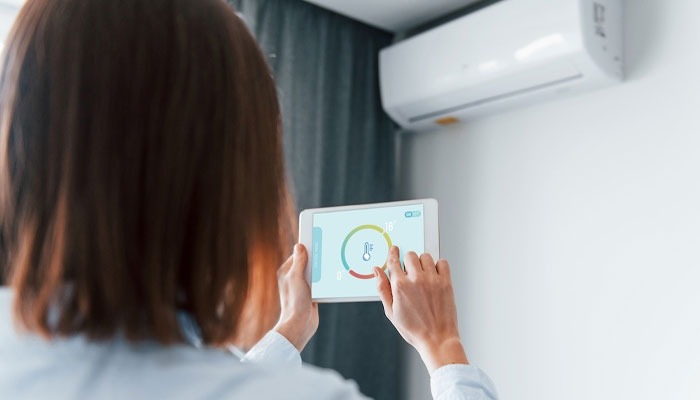
Comprehensive maintenance frameworks must include monthly checks of filtration media, chemical cleaning of outdoor condenser coils to clear insulating layers of desert dust, and precise monitoring of refrigerant charge levels. Furthermore, integrating smart building automation systems allows property managers to track real-time performance analytics, predict component wear before a failure happens, and automate temperature setbacks when spaces are unoccupied, ensuring maximum lifecycle value and absolute operational uptime.
Frequently Asked Questions (FAQs)
What is the primary difference between a split system and a VRF system?
A standard split system connects one indoor air handler to one dedicated outdoor condenser unit, operating at a fixed capacity. In contrast, a Variable Refrigerant Flow system allows a single outdoor unit to drive multiple independent indoor units, adjusting refrigerant flow dynamically to match individual room loads, which provides superior zoning control and energy efficiency.
How often should air filtration media be replaced in the UAE?
Due to the high volume of fine ambient dust and sandstorms, standard pre-filters should be checked and washed every two to four weeks during high-use summer months. High-efficiency secondary media, such as active carbon or HEPA filters, should be fully replaced every four to six months to prevent airflow restriction and maintain optimal indoor air quality.
Can a portable air conditioning unit function effectively without an exhaust window kit?
No. All air conditioning units operate by absorbing heat from the indoor air and transferring it outside. A portable unit must vent this hot air through a dedicated flexible exhaust hose connected to a window or ceiling plenum kit. Operating the unit without venting will cause the hot exhaust air to dump back into the room, canceling out any cooling effect.
What are the main causes of water leakage from indoor ceiling units?
Indoor unit leakage is usually caused by a blocked condensate drain line. As the system strips high humidity from the air, water collects in the internal drain tray. If desert dust blocks the drainage pipe or if the integrated condensate lift pump fails, the tray overflows through the ceiling. Regular cleaning completely prevents this issue.
How does smart inverter technology protect against fluctuating power grids?
Premium inverter systems convert incoming AC power into DC power, then modulate it into a variable frequency to drive the compressor smoothly. This design isolates the sensitive mechanical core from sudden external voltage spikes and drops, protecting the system components from electrical damage while eliminating high current startup draws.