






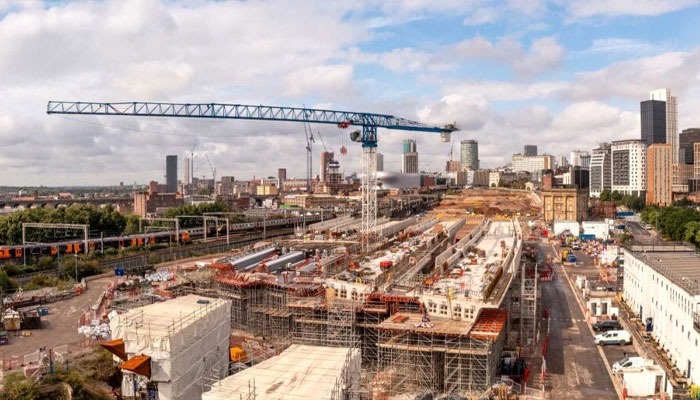
The global industrial landscape relies heavily on two fundamental pillars to ensure cross-border expansion: structural integrity and human workforce protection. Whether managing heavy infrastructure builds in rapidly expanding commercial zones or setting up complex mining installations across rich resource basins, operational leaders face identical core challenges. A project cannot progress safely or achieve its long-term milestones without precision-engineered mechanical hardware to hold the structures together, alongside high-performance safety gear to protect the personnel executing the physical blueprints.
Managing high-risk industrial assembly and heavy manufacturing operations requires extensive supply chain resilience and strict adherence to international safety metrics. Modern engineering projects operate under dynamic variables, including aggressive atmospheric oxidation, severe mechanical stress loads, and complex regulatory compliance standards. To eliminate project vulnerability, procurement teams utilize advanced material verification, standardized component sourcing, and reliable multi-regional logistics partners. By linking high-performance hardware supply with comprehensive personal protection grids, developers can complete complex facilities efficiently while maintaining zero-incident work environments.
The Metallurgy and Precision Engineering Behind Modern Industrial Hardware
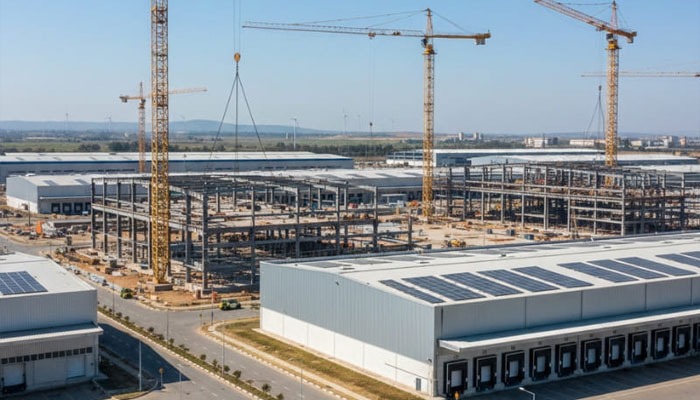
At the baseline of any major engineering feat, from sprawling commercial warehouse frameworks to massive structural steel installations, lies the science of mechanical joints. Threaded components, anchor assemblies, and high-tensile hardware bear immense dead loads, vibration stress, and environmental shear forces throughout their operational lifecycles.
Tensile Performance and Material Selection
Selecting the correct alloy grade is a critical calculation of operational safety. Standard low-carbon hardware frequently fails when deployed in demanding structural matrices or heavy industrial machinery grids. Modern industrial builds utilize high-tensile carbon steel, specialized stainless steel alloys, and custom brass variants. These hardware components undergo advanced heat treatment loops to reach precise tensile strength ratings, ensuring every joint remains completely stable under immense pressure.
Sourcing Quality Hardware in Regional Distribution Hubs
High-density manufacturing sectors and urban construction grids require immense volumes of precision hardware daily. When project planners scale up massive pre-engineered assembly structures or corporate facility setups, having direct access to specialized, certified metal components is an absolute necessity. Partnering with a verified distributor to secure top-tier Fasteners and Screws in Dubai ensures that your engineering project is backed by standardized thread dimensions, flawless shear-strength ratings, and high-performance anti-corrosive coatings like hot-dip galvanization, preventing structural degradation and minimizing long-term maintenance overheads.
Shielding the Industrial Workforce Across Developing Economic Zones
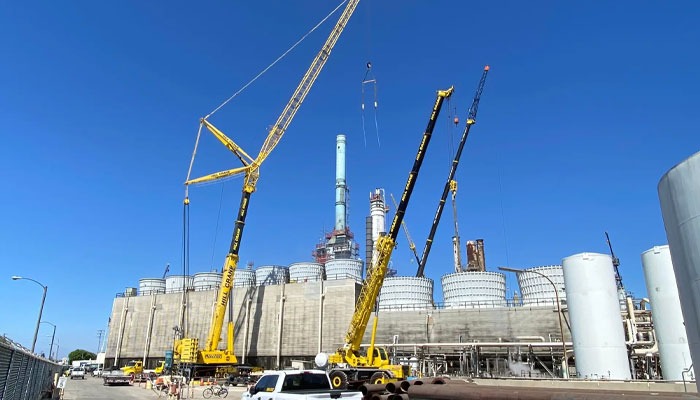
While heavy-duty mechanical hardware forms the physical bones of modern infrastructure, the human workforce remains its most critical asset. As large-scale mining operations, massive oil and gas processing grids, and infrastructural projects expand rapidly across developing international sectors, safeguarding field workers from workplace hazards has become a top priority for corporate operations.
Multi-Hazard Workplace Risk Mitigation
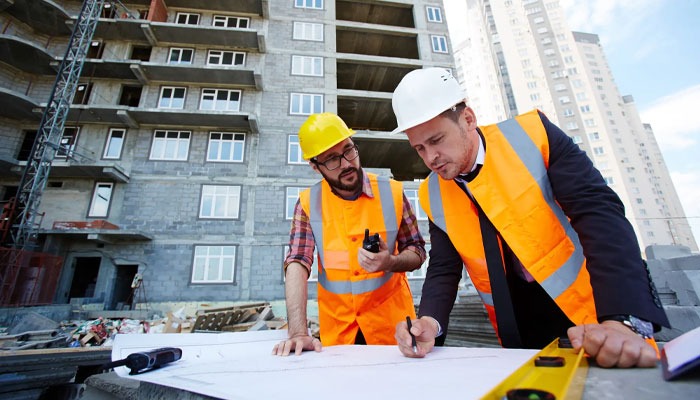
Industrial environments present a wide array of severe operational risks, including high-altitude falls, chemical splashes, high-voltage exposures, and intense respiratory hazards from heavy silica dust or toxic gases. Mitigating these risks requires more than basic precautions; it demands premium, certified protective wear that complies strictly with rigorous global standards like CE and ANSI frameworks.
Securing a Reliable Occupational Health Supply Chain
Managing large-scale procurement across complex geographical territories requires comprehensive logistics expertise. For major corporate enterprises running heavy mining projects, agricultural plants, and expansive logistics facilities in emerging regions, finding a unified supply channel is critical. Collaborating with an established partner serving as a Full range of PPE supplier Africa allows procurement managers to centralize their complete workforce safety requirements. This single-point supply loop provides high-performance safety helmets, heavy-duty respiratory filtration masks, impact-resistant industrial gloves, and specialized high-visibility protective clothing, ensuring every single worker is fully protected while meeting regional labor safety standards.
The Strategic Advantage of Single Point Procurement for Enterprise Brands
The traditional approach of sourcing industrial supplies by dividing orders across separate niche hardware stores, minor safety gear brokers, and independent transport companies is highly inefficient. Communication gaps across disjointed channels frequently lead to errors, site delays, material mismatches, and expensive budget overruns.
To eliminate these vulnerabilities, modern developers are shifting toward comprehensive industrial supply partners who manage multi-layered component sourcing end-to-end. Centralizing your supply pipeline ensures complete structural compliance, streamlines corporate bookkeeping, and guarantees that every single item—from high-tensile heavy industrial hardware to precision head-to-toe personal safety gear—is delivered to the field strictly within the pre-agreed budget and timeline parameters.
Frequently Asked Questions
Why is thread precision so critical in high tensile industrial hardware applications?
Precision thread matching ensures that the clamping force is distributed uniformly across the entire mechanical joint structure. If threads display dimensional errors or poor tolerances, the concentrated stress can strip the threads or snap the bolt shaft under high vibration loads, leading to sudden, dangerous structural failures.
What are the primary differences between stainless steel and carbon steel industrial fasteners?
Stainless steel features a high concentration of chromium, providing exceptional resistance to atmospheric rust, chemicals, and marine environments, making it perfect for exposed outdoor setups. Carbon steel lacks high natural corrosion resistance but offers significantly higher tensile strength and hardness after heat treatment, making it the preferred choice for heavy structural steel frameworks.
What are the core product categories included under a comprehensive personal protection supply loop?
A full-range safety loop covers head-to-toe protection. This includes cranial protection like specialized industrial hard hats, ocular safety gear like impact-resistant goggles, high-efficiency respiratory masks for dust filtration, ergonomic safety harnesses for high-altitude operations, puncture-resistant gloves, and reinforced steel-toe safety footwear.
How does anti corrosive coating improve the lifecycle of building hardware in high humidity areas?
High humidity and ambient coastal salt accelerate the chemical oxidation of bare steel, leading to rapid rust accumulation. Applying specialized protective coatings, such as hot-dip zinc galvanizing or premium fluoropolymer layers, creates an un-breachable physical barrier that isolates the core metal from oxygen and moisture, extending the hardware’s operational lifecycle significantly.
How do certified industrial suppliers ensure international safety standard compliance?
Top-tier industrial suppliers subject their entire product catalog to strict quality control testing loops. Every batch of hardware and protective safety gear is backed by official manufacturer test certificates, material composition analyses, and verified compliance markers from recognized global organizations like the European Conformity and the American National Standards Institute.