







Heart disease remains one of the leading causes of death worldwide. The alarming reality is that many people do not realize they have a heart problem until a major event such as a heart attack, stroke, or heart failure occurs. However, modern medical advancements have made it possible to identify heart disease at an early stage, allowing timely treatment and lifestyle changes that can significantly reduce the risk of severe complications.
Early heart disease detection is not just about finding a problem before symptoms appear—it is about protecting your quality of life, preventing expensive medical treatments, and reducing the risk of life-threatening emergencies. Visiting a heart specialist hospital in Gorakhpur for regular heart checkups can help identify potential cardiovascular issues before they become serious.
Understanding Heart Disease
Heart disease is a broad term that includes several conditions affecting the heart and blood vessels. Common types include:
- Coronary artery disease
- Heart valve disorders
- Arrhythmias (irregular heartbeat)
- Congenital heart defects
- Heart failure
- Cardiomyopathy
Many heart conditions develop gradually over time. In their early stages, they may not cause noticeable symptoms, making routine screening and preventive care extremely important.
Why Early Detection Matters
The heart is one of the most vital organs in the body. When heart disease progresses unnoticed, it can lead to severe complications that may permanently affect health.
Early detection helps by:
- Identifying risk factors before symptoms develop
- Allowing timely medical intervention
- Preventing disease progression
- Reducing hospitalization risks
- Improving long-term survival rates
A consultation with a heart specialist in Gorakhpur can provide valuable insights into your cardiovascular health and help detect problems before they become dangerous.
Common Risk Factors for Heart Disease
Certain factors increase the likelihood of developing heart disease. Knowing these risks can encourage early screening and preventive action.
High Blood Pressure
Hypertension forces the heart to work harder, damaging blood vessels over time and increasing the risk of heart attacks and strokes.
High Cholesterol
Excess cholesterol can build up inside arteries, restricting blood flow to the heart.
Diabetes
People with diabetes are more likely to develop cardiovascular disease due to damage to blood vessels and nerves.
Smoking
Smoking damages artery walls and significantly increases heart disease risk.
Obesity
Excess body weight contributes to high blood pressure, diabetes, and cholesterol problems.
Family History
If close family members have experienced heart disease, your risk may be higher.
Sedentary Lifestyle
Lack of physical activity weakens cardiovascular health and contributes to weight gain.
Early Warning Signs of Heart Disease
Recognizing symptoms early can prevent severe complications. While some people experience obvious symptoms, others may have subtle warning signs.
Chest Pain or Discomfort
Chest tightness, pressure, or pain is one of the most common symptoms of heart disease.
Shortness of Breath
Difficulty breathing during normal activities may indicate heart-related issues.
Fatigue
Persistent tiredness can occur when the heart is not pumping efficiently.
Irregular Heartbeat
Heart palpitations or an abnormal heartbeat should never be ignored.
Swelling in Legs or Feet
Fluid retention may indicate heart failure or circulation problems.
Dizziness or Fainting
Reduced blood flow to the brain can cause dizziness and fainting episodes.
If you notice any of these symptoms, seeking evaluation at a heart specialist hospital in Gorakhpur can help identify the underlying cause quickly.
Diagnostic Tests Used for Early Detection
Advancements in cardiology have made early diagnosis easier and more accurate than ever before.
Electrocardiogram (ECG)
An ECG records the electrical activity of the heart and helps identify rhythm abnormalities.
Echocardiogram
This ultrasound-based test provides detailed images of heart structure and function.
Stress Test
A stress test evaluates how well the heart performs during physical activity.
Blood Tests
Specific blood markers can indicate heart damage, inflammation, or elevated cardiovascular risk.
CT Coronary Angiography
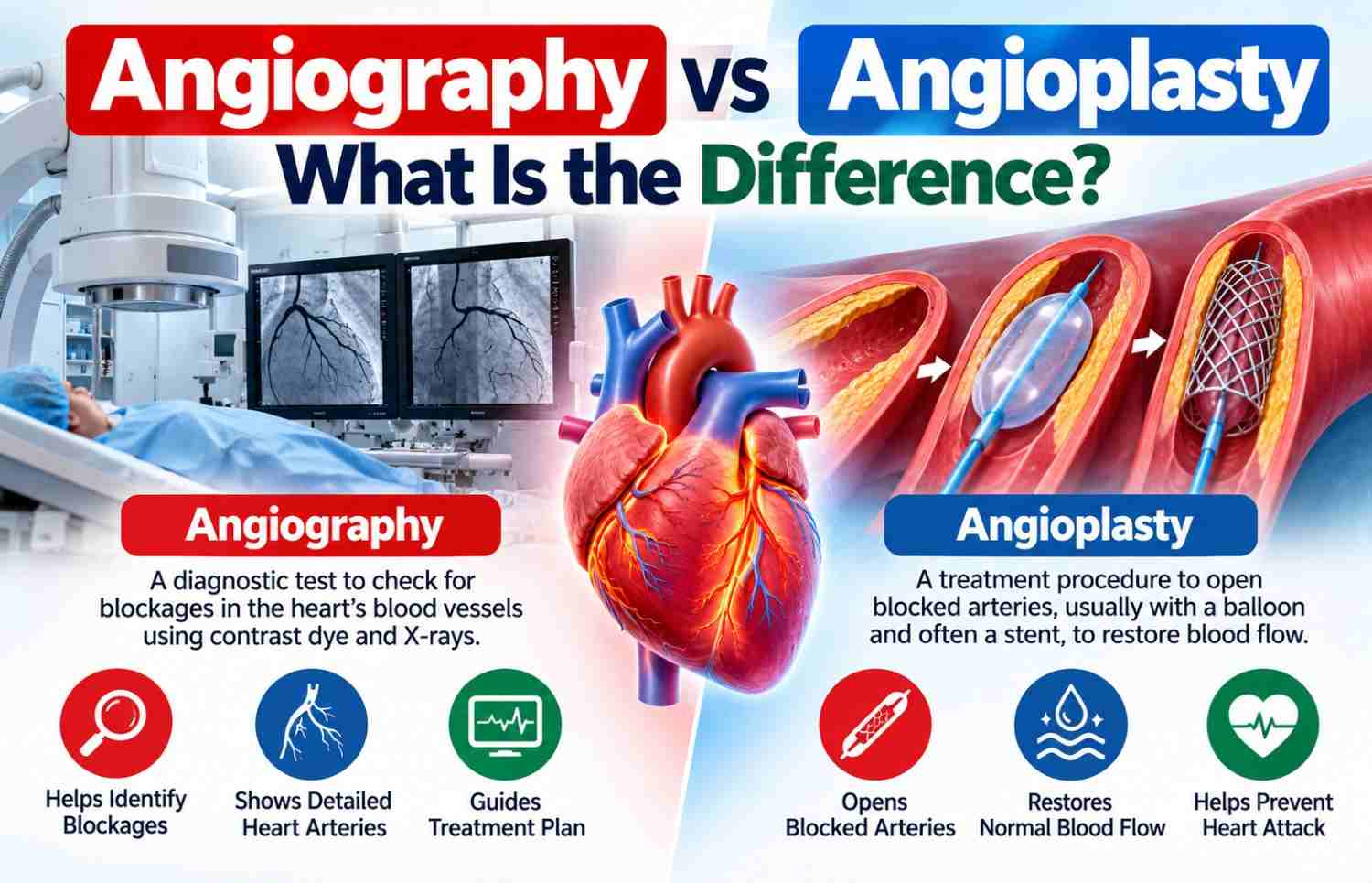
This imaging technique helps detect blockages in coronary arteries.
Holter Monitoring
Continuous heart rhythm monitoring can identify irregular heartbeats that may not appear during routine examinations.
A qualified heart specialist in Gorakhpur can recommend the most appropriate diagnostic tests based on individual risk factors and symptoms.
Also Read: How to Open a Free Demat Account Without Hidden Charges
Serious Complications That Early Detection Can Prevent
Heart Attack
A heart attack occurs when blood flow to part of the heart is blocked. Early detection of artery narrowing allows treatment before a complete blockage develops.
Stroke
Heart rhythm disorders such as atrial fibrillation increase stroke risk. Identifying and managing these conditions early significantly reduces the chances of stroke.
Heart Failure
Untreated heart disease can weaken the heart muscle over time, leading to heart failure. Early treatment can preserve heart function and prevent deterioration.
Sudden Cardiac Arrest
Certain electrical abnormalities can lead to sudden cardiac arrest. Timely diagnosis and intervention can save lives.
Kidney Damage
Poor heart function affects blood flow to the kidneys, increasing the risk of chronic kidney disease.
Reduced Quality of Life
Advanced heart disease can limit daily activities, mobility, and independence. Early intervention helps maintain an active lifestyle.
Lifestyle Changes That Support Heart Health
Detecting heart disease early provides an opportunity to make positive lifestyle changes that improve outcomes.
Follow a Heart-Healthy Diet
Focus on:
- Fruits and vegetables
- Whole grains
- Lean proteins
- Healthy fats
- Low-sodium foods
Exercise Regularly
At least 150 minutes of moderate exercise each week supports cardiovascular health.
Quit Smoking
Smoking cessation dramatically reduces heart disease risk.
Manage Stress
Chronic stress contributes to high blood pressure and heart problems. Meditation, yoga, and relaxation techniques can help.
Maintain a Healthy Weight
Weight management reduces strain on the heart and lowers cardiovascular risk.
Monitor Blood Pressure and Cholesterol
Regular checkups ensure early detection of potential issues.
Who Should Get Screened for Heart Disease?
Heart screening is recommended for:
- Adults over 40 years of age
- Individuals with diabetes
- Smokers
- People with high blood pressure
- Those with high cholesterol
- Individuals with a family history of heart disease
- People who are overweight or obese
Even if you feel healthy, preventive heart evaluations can reveal hidden risks before symptoms appear.
Conclusion
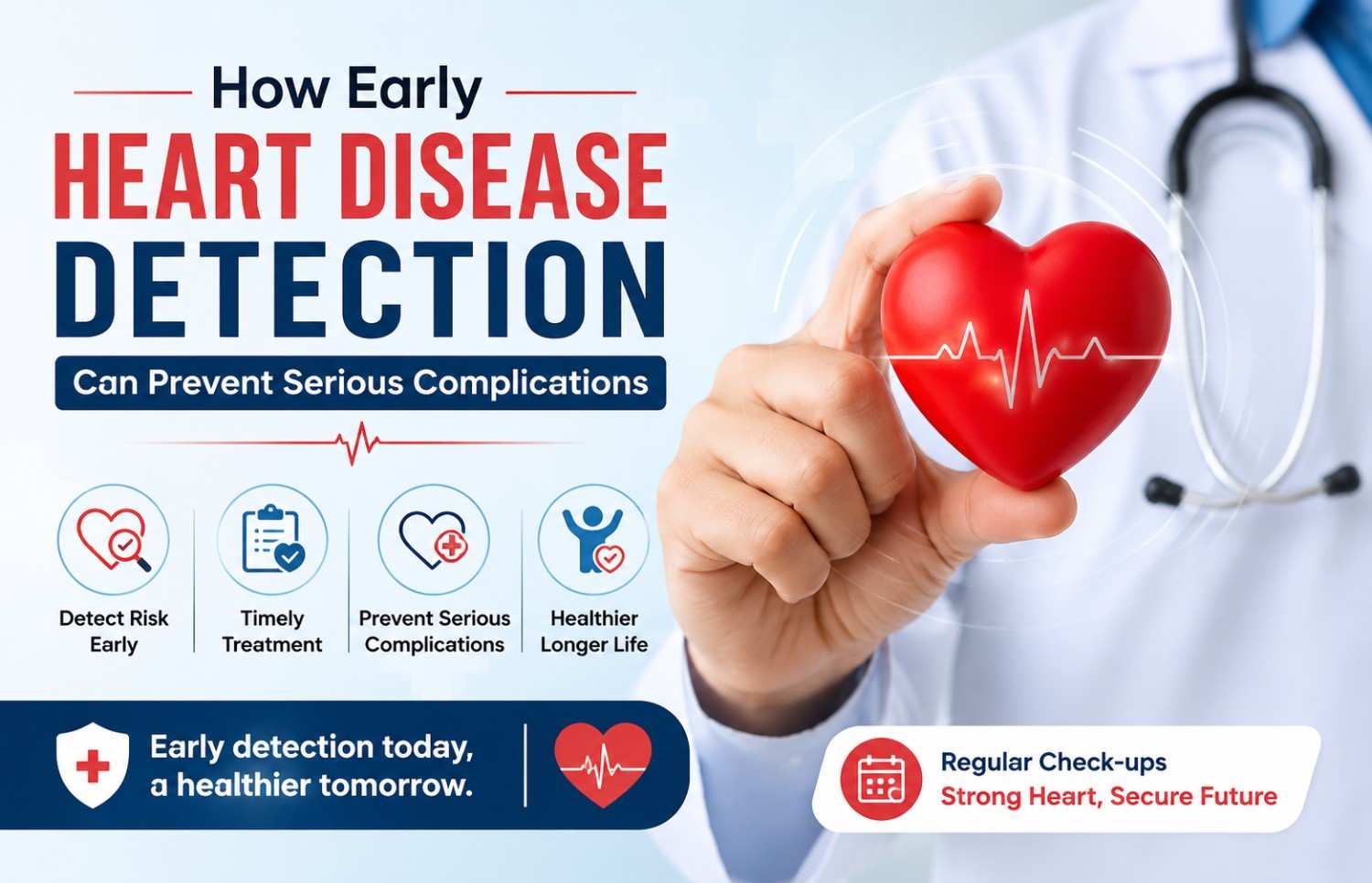
Early heart disease detection is one of the most effective ways to prevent serious and potentially life-threatening complications. Identifying risk factors, recognizing warning signs, and undergoing regular cardiac screenings can significantly reduce the risk of heart attacks, strokes, heart failure, and other cardiovascular emergencies.
If you have risk factors or notice symptoms such as chest pain, shortness of breath, fatigue, or irregular heartbeat, do not delay seeking medical attention. Consulting a trusted heart specialist in Gorakhpur and visiting a reputed heart specialist hospital in Gorakhpur can help ensure timely diagnosis, effective treatment, and a healthier future for your heart.