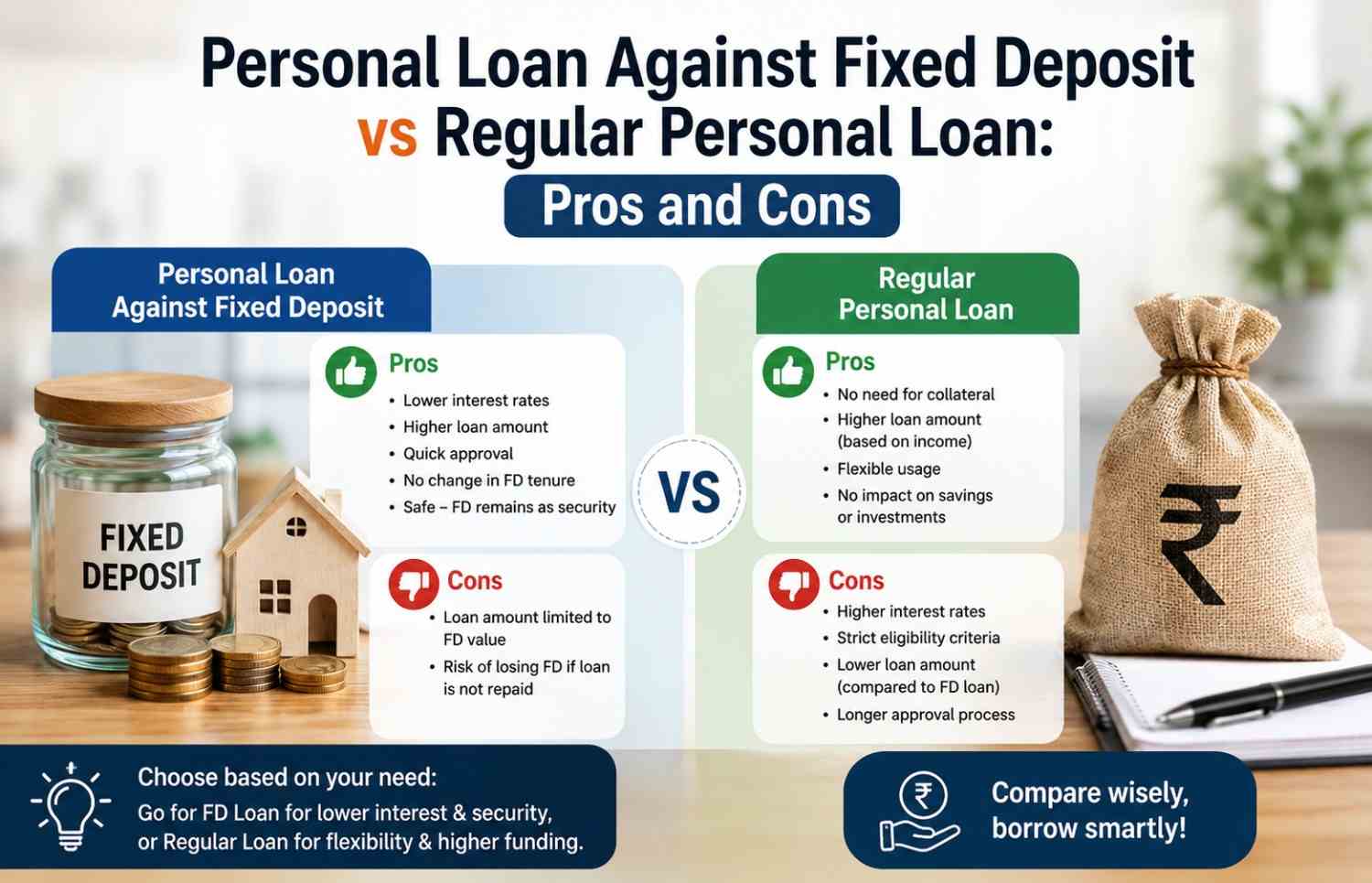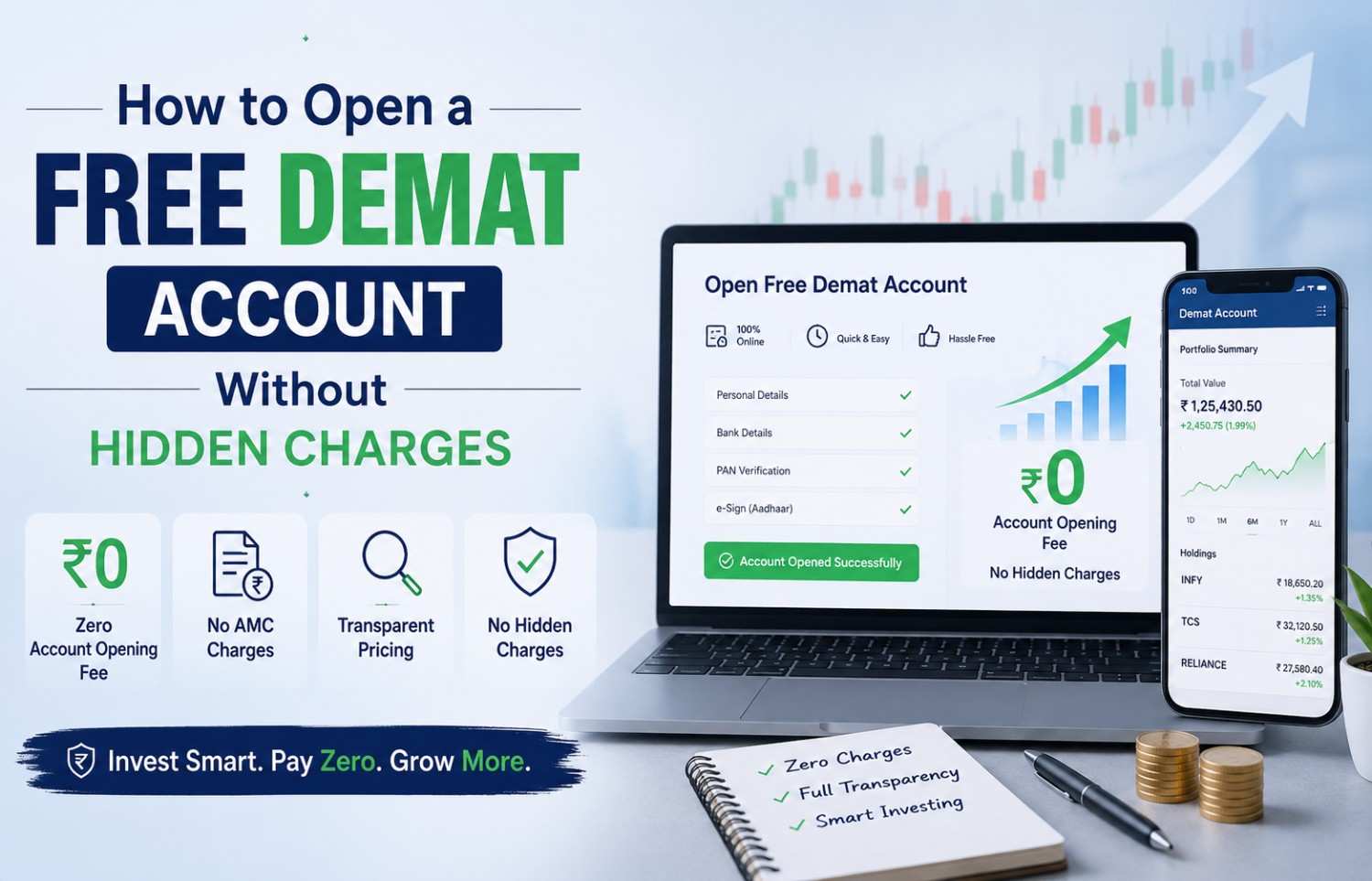










Search for an instant personal loan online, and you’ll get a few hundred apps promising roughly the same thing. Money in minutes. Instant approval. No paperwork.
Most of them are telling the truth. They’re just not all measuring the same thing.
Three separate events happen between opening an app and having money in your account, and “instant” can describe any of them. Knowing which one you’re being sold matters if you’re planning around a deadline.
The three stages to check eligibility criteria for an instant loan online
- The eligibility check is a soft enquiry against your credit bureau record. Leaving no mark on your score, and it tells you roughly what amount you’d qualify for. This is what most “60 second loan” claims are describing.
- Approval is when a personal loan provider such as Prefr, reviews your full application and committing to an amount, rate of interest and tenure. This can be truly done instantly by most digital lenders.
- Disbursal is the money getting transferred into your account. This one has dependencies the lender doesn’t fully control, and it’s the stage that actually determines whether you have funds by any day now.
Why did instant approval become possible?
Three pieces of public infrastructure did this, not clever fintech marketing.
- Aadhaar-based eKYC replaced physical identity verification. What took days of document checking now takes an OTP.
- The Account Aggregator framework lets you share bank statement data directly with a lender, with your consent, in a machine-readable format. No uploading PDFs and waiting for someone to read them.
- Automated underwriting scores your bureau record, income pattern and existing obligations through a rules engine rather than a credit officer. A clean application that fits the parameters gets a decision without a human ever opening it.
The practical consequence: if your profile sits squarely inside a lender’s criteria, approval is genuinely instant. If it sits at the margin, it routes to manual review, and the timeline changes entirely. Nothing about the app changed. Your file did.
What actually causes delays?
Approval is rarely the bottleneck, because
- E-mandate registration: You have to authorise automatic EMI deduction, usually through eNACH. It fails more often than people expect: joint accounts requiring both signatories, net banking that was never activated, an expired debit card, a bank that isn’t on the mandate platform’s supported list. Until a mandate is active, the loan doesn’t disburse.
- Video KYC queues: If your lender routes you to video verification rather than Aadhaar OTP, you’re waiting for an agent, and most operate within working hours. An application submitted at midnight waits for morning.
- Data mismatches: A name spelt differently from your PAN. An employer’s brand name entered where the legal entity name was needed. CTC entered where net monthly income was asked. Any of these can push an automated application into manual review.
- Bank processing: Once the lender releases funds, your bank has to credit them. Usually quick, occasionally not, particularly over long weekends.
Most of this is within your control. Keep your Aadhaar-linked mobile number active, know your net banking credentials, and enter details exactly as they appear on official documents.
The part speed doesn’t change
An disbursed in thirty minutes costs exactly the same as the same loan disbursed in three days. The EMI runs for the same number of months. The interest accrues identically.
Which is why the two minutes spent reading the offer are the highest-value two minutes in the process.
RBI requires every regulated lender to issue a Key Fact Statement before you accept. Four things in it are worth your attention.
- The APR, not the interest rate: The APR folds in the processing fee, annualised across the tenure. It’s the only number that compares two offers fairly. A ₹15,000 processing fee plus GST on a ₹5 lakh loan at 18% over 18 months produces an APR of 25.4%. Same loan, very different figure, and the gap is entirely the fee.
- The disbursal amount: Fees come off the top, so you receive less than the sanctioned sum while repaying EMIs on the full amount. If you need a specific figure for a specific purpose, work backwards from the disbursal line.
- Who the lender is: Many loan apps aren’t lenders. They’re Lending Service Providers or digital front-ends for RBI-registered NBFCs and banks. That’s a regulated and legitimate model, but it means the app you’re using and the entity you owe money to are different organisations. Digital lending rules require the app to name the lender before you accept. If it won’t, close it.
- Foreclosure charges: These decide whether paying early actually saves you anything.
You also get a cooling-off period after disbursal, during which you can exit by repaying the principal and proportionate APR without a foreclosure penalty. The duration is stated in your Key Fact Statement.
Also Read: Personal Loan in Chennai in 60 Minutes: Understanding the Online Application Process
A test before you apply
The infrastructure that made borrowing fast also removed the friction that used to make people think about it. A loan taken in eight minutes runs for the same thirty-six months as one taken after a fortnight of deliberation.
So: if this instant loan approval took three days instead of thirty minutes, would you still take it?
If yes, apply using a personal loan app such as Prefr and avail an instant personal loan in minutes.