








Think about the last team-building day you attended. Was it a forgettable slideshow in a hotel ballroom, or a game that had everyone laughing, cheering and talking about it for weeks?
That difference is why more companies are planning a corporate tournament in Dubai instead of another standard offsite. A well-run tournament breaks down department walls, lifts morale and gives people a shared story. This guide covers how to plan one without the stress. It’s written for HR managers, event coordinators and team leaders.
Why Tournaments Work Better Than Traditional Team Building
Most people don’t bond over presentations. They bond when they’re chasing a goal together, sharing a win or recovering from a bad loss. A tournament creates exactly that, with light competition and plenty of laughter.
Here’s what companies usually notice afterwards:
- Stronger cross-team relationships. Colleagues who rarely speak end up on the same side.
- Higher energy and engagement. Physical activity and friendly rivalry lift theAdd Post mood.
- Natural leadership moments. Quiet team members often step up as captains or playmakers.
- A shared memory. Photos, trophies and inside jokes keep the effect going long after the event.
Why Dubai Is a Great Place to Host One
Dubai’s mix of modern sports facilities, year-round event infrastructure and multicultural workforces makes it a natural fit. Teams here often include dozens of nationalities, and sport is a common language. Football, cricket, padel and basketball each bring their own fans, so there’s usually something for everyone.
Timing matters too. From late autumn to early spring, outdoor weather is comfortable, while the summer months suit indoor courts and air-conditioned venues.
Picking the Right Sport
The best choice isn’t always the most popular one. Match the sport to your people.
Football. Always a crowd favourite. Small-sided formats keep everyone involved and the games short.
Cricket. Popular across many teams in the region, and it works well for mixed-skill groups when run in a shorter format.
Padel. Easy to learn, social and ideal for doubles-style competition between departments.
Basketball and volleyball. Great for fast, high-energy indoor events.
Mixed or mini-games. If your team has varied fitness levels, a multi-activity format keeps it inclusive.
A quick internal poll before you decide can lift participation, since people care more about events they helped choose.
Choosing the Right Format
Format shapes the whole experience. Consider these options:
- Knockout. Quick and dramatic, though weaker teams exit early.
- Round-robin. Everyone plays several matches, which suits larger groups who want more playing time.
- Group stage plus finals. A balance of both, and the most common choice for corporate events.
- Mixed teams. Combine departments, seniority levels and genders to encourage new connections.
If your goal is bonding rather than pure competition, favour formats where every participant gets ample time on the field or court.
A Simple Planning Checklist
Good tournaments are rarely accidents. Here’s a practical order of work:
- Set the goal. Is it team bonding, a reward, a client event or a company anniversary?
- Confirm headcount and budget. This decides the venue, number of teams and extras.
- Choose date and venue. Check transport, parking, changing rooms and shaded areas.
- Pick sport and format. Keep rules simple and share them early.
- Arrange officials and equipment. Referees, balls, bibs, scoring and first aid should be sorted in advance.
- Plan the extras. Refreshments, music, photography and awards turn a match day into an event.
- Communicate clearly. Send schedules, team lists and a reminder the day before.
Details That Make It Feel Professional
Small touches separate a decent event from a memorable one:
- Custom team jerseys or bibs
- A live scoreboard or fixture board
- Fair, neutral refereeing
- Hydration stations, especially in warm weather
- Trophies, medals and a short awards moment
- A photographer to capture the highlights for internal sharing
None of these require a huge budget, but together they signal that the company took the day seriously.
Common Mistakes to Avoid
Even well-meaning organizers trip up on a few things:
- Overcomplicated rules. If people spend more time arguing than playing, the mood drops.
- Ignoring skill gaps. Balance teams so one group doesn’t dominate.
- Poor scheduling. Long waits between matches kill the energy.
- Forgetting non-players. Offer roles such as cheering squads, scorers or social areas.
- Skipping safety. Warm-ups, water breaks and first-aid access are essential.
Why Work With a Specialist
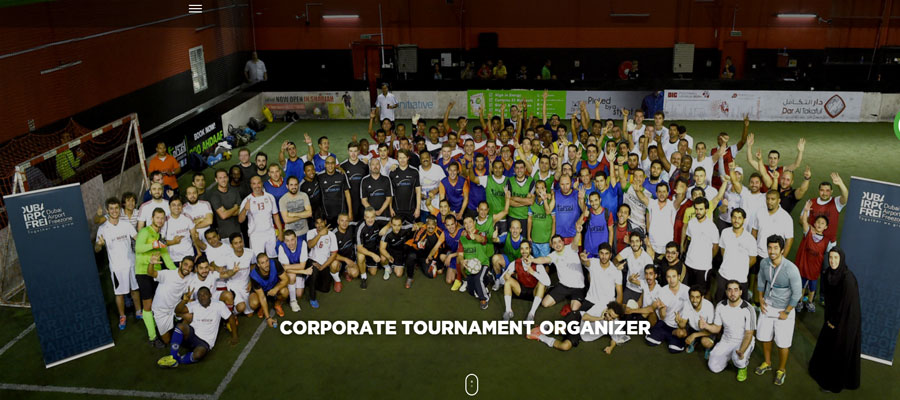
Running a smooth corporate tournament in Dubai involves venues, officials, scheduling, equipment and on-the-day coordination. A specialist sports and events team handles those moving parts so you can focus on your people instead of logistics. That’s where a local organization like Ahdaaf can help, from shaping the format to managing the matches, so your team simply shows up and enjoys the day.
Final Thoughts
A corporate tournament is more than a sporting fixture. It’s a chance for colleagues to see each other differently, celebrate together and return to work with fresh energy. Start with a clear goal, choose a sport your team will enjoy, keep the format simple and pay attention to the details. If you’d like help shaping the right event, reach out to the Ahdaaf team to talk through your ideas.
Frequently Asked Questions
- What is a corporate tournament?
A corporate tournament is an organized sports competition between teams from one company or several companies. It’s used for team building, employee engagement, networking or celebrations. - Which sports are best for company events in Dubai?
Football, cricket, padel, basketball and volleyball are the most popular choices. The best option depends on your team’s interests, fitness levels and venue availability. - How many people do I need for a corporate sports event?
Most events work well with anywhere from 20 to 200 participants. Small-sided formats let you scale up or down easily. - How far in advance should I plan?
Aim for four to eight weeks for most events. Larger tournaments or peak-season dates may need more time to secure venues and officials. - Can non-sporty employees take part?
Yes. Choose beginner-friendly sports like padel, offer mixed teams and give non-players roles such as scoring, cheering or organizing activities. - What does a tournament organizer usually handle?
Typically venue booking, fixtures, referees, equipment, scoring, awards and on-the-day coordination. Confirm exactly what is included before you book. - Can a tournament also work as a client or networking event?
Absolutely. Mixed-company tournaments are a relaxed way to build relationships, and the informal setting often leads to better conversations than a formal meeting.