




Working at height is a common requirement across construction, maintenance, industrial, warehousing, and infrastructure projects. Because falls can result in serious injuries, selecting suitable personal protective equipment (PPE) is an important part of workplace safety. A reliable safety harness supplier can help businesses identify appropriate fall protection equipment based on the nature of the work, working environment, and applicable safety requirements.
A safety harness is designed to help protect workers when there is a risk of falling from an elevated position. However, simply wearing a harness is not enough. The equipment must be suitable, correctly fitted, properly connected to an appropriate anchorage system, and regularly inspected. Businesses should therefore consider product quality, technical specifications, user requirements, and supplier support when purchasing fall protection equipment.
Why Fall Protection Equipment Matters
Falls from height are among the major hazards associated with construction and industrial work. Workers may operate on roofs, scaffolding, elevated platforms, towers, ladders, and other raised surfaces where a fall could occur.
A properly selected fall protection system can form part of a broader workplace safety strategy. Depending on the application, this system may include a full-body harness, lanyard, energy absorber, lifeline, anchorage point, or other compatible components.
When choosing a safety harness supplier, businesses should look beyond price alone. Equipment should be selected according to the actual working conditions and the manufacturer’s specifications.
What Does a Safety Harness Do?
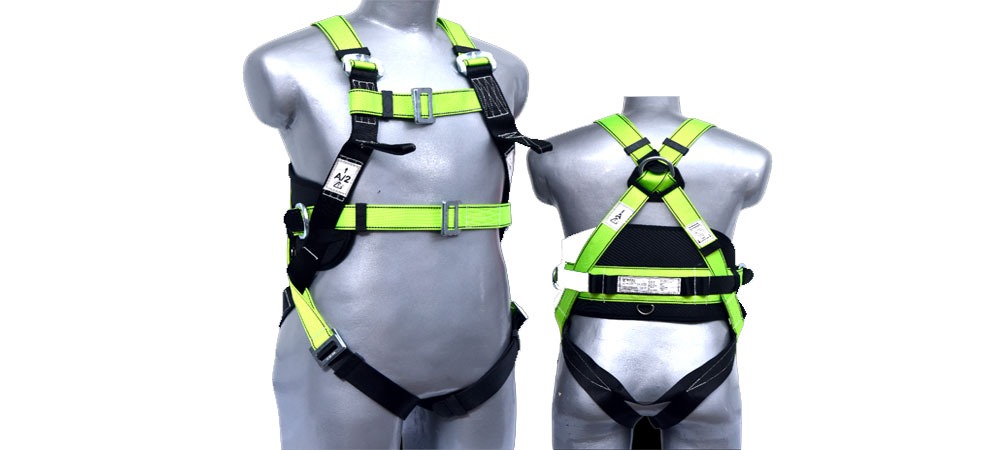
A full-body safety harness distributes the forces associated with a fall across suitable areas of the body. Unlike basic positioning equipment, a fall-arrest harness is intended to work as part of a complete fall protection system.
A typical system can include:
- Full-body safety harness
- Shock-absorbing lanyard
- Self-retracting lifeline
- Anchorage connector
- Vertical or horizontal lifeline
- Connecting hardware
- Rescue and recovery equipment
The components must be compatible with one another. Using individual products without considering the complete system can create additional safety risks.
How to Select a Safety Harness Supplier
Selecting the right safety harness supplier requires careful consideration of several factors. Businesses should assess whether the supplier can provide equipment suitable for the intended application and whether adequate product information is available.
Product Quality and Specifications
Check the construction, materials, adjustment points, attachment points, webbing, stitching, buckles, and other components of the harness. Product specifications should clearly identify its intended use and limitations.
Suitable Fall Protection Equipment
Different jobs require different fall protection arrangements. A worker performing roof maintenance may have different requirements from someone working on a construction structure or telecommunications tower.
A knowledgeable safety harness supplier should be able to provide product information that helps buyers understand the intended application of each model.
Standards and Compliance
Fall protection equipment should be selected according to applicable safety standards and workplace requirements. Buyers should review manufacturer documentation, product markings, certification information, and instructions before making a purchase.
Compliance requirements can vary by country, industry, and application. Businesses should therefore verify the requirements relevant to their workplace rather than relying on generic product descriptions.
Understanding Different Types of Safety Harnesses
Safety harnesses are available in different configurations to support different working applications.
Full-Body Harnesses
Full-body harnesses are commonly used for fall arrest and may feature designated attachment points depending on their design. They are widely used in construction, maintenance, industrial, and elevated work environments.
Harnesses for Positioning Work
Some harness systems are designed to support workers while performing positioning tasks. These products should be used only for the applications specified by the manufacturer and should not automatically be treated as fall-arrest equipment.
Harnesses for Specialized Applications
Certain work environments may require specialized harness configurations. These can include equipment designed for tower work, confined-space applications, rescue operations, or other specific activities.
Before purchasing, businesses should identify the job requirements and select equipment accordingly.
Importance of Proper Harness Fit
Even a high-quality harness may not provide the expected protection if it is incorrectly fitted. Workers should follow the manufacturer’s fitting instructions and ensure that straps and buckles are correctly adjusted.
A properly fitted harness should remain secure without causing unnecessary restriction. Workers should also understand how to inspect the harness before use.
Employers can support safe usage through practical training, equipment demonstrations, and regular safety briefings. When employees understand how fall protection equipment works, they are better positioned to use it correctly.
Inspecting Safety Harnesses Before Use
Regular inspection is an essential part of fall protection equipment management. Before using a harness, workers should check for visible signs of damage, excessive wear, cuts, fraying, burns, contamination, damaged stitching, defective buckles, or other issues identified in the manufacturer’s inspection instructions.
Equipment that has been involved in a fall should be handled according to the manufacturer’s instructions and applicable workplace procedures. In many cases, fall-arrest equipment involved in a fall requires removal from service and appropriate evaluation or replacement.
Businesses should maintain inspection records where required by their safety procedures or applicable regulations.
Training Is as Important as Equipment
Purchasing from a dependable safety harness supplier is only one part of an effective fall protection program. Workers should also receive appropriate training before using fall protection equipment.
Training can cover:
- Correct harness selection
- Proper fitting and adjustment
- Inspection procedures
- Correct connection methods
- Anchorage requirements
- Limitations of the equipment
- Fall clearance considerations
- Emergency and rescue procedures
- Storage and maintenance
Workers should understand that a harness is part of a complete fall protection system rather than an independent solution.
Storage and Maintenance
Proper storage can help protect harnesses and related equipment from unnecessary damage. Equipment should generally be stored according to manufacturer recommendations and protected from conditions that could degrade its materials.
Exposure to excessive heat, chemicals, moisture, direct sunlight, sharp objects, and other damaging conditions may affect equipment depending on its construction and manufacturer’s specifications.
Cleaning should also follow the manufacturer’s instructions. Harsh chemicals or unsuitable cleaning methods may damage webbing or other components.
Questions to Ask Before Buying
Before selecting a safety harness supplier, businesses can consider questions such as:
- Is the harness suitable for the intended application?
- What standards and certifications apply to the product?
- What are the approved attachment points?
- Is the equipment compatible with the planned lanyard and anchorage system?
- What inspection requirements apply?
- What are the product’s limitations?
- Are fitting and usage instructions provided?
- Can the supplier provide technical product information?
- What storage and maintenance requirements should be followed?
- What should be done if the equipment is involved in a fall?
These questions can help organizations make more informed purchasing decisions.
Choosing a suitable safety harness supplier is an important step when businesses need reliable fall protection equipment for work at height. However, effective protection depends on more than purchasing a harness. The equipment must be appropriate for the application, correctly fitted, properly connected, inspected regularly, and used by trained workers.
Businesses should evaluate product specifications, applicable standards, compatibility, inspection requirements, and supplier support before making a purchase. By taking a complete approach to fall protection, organizations can establish safer procedures for workers operating at elevated locations.
Click on this https://terasworld.com/ to get more information like this.