





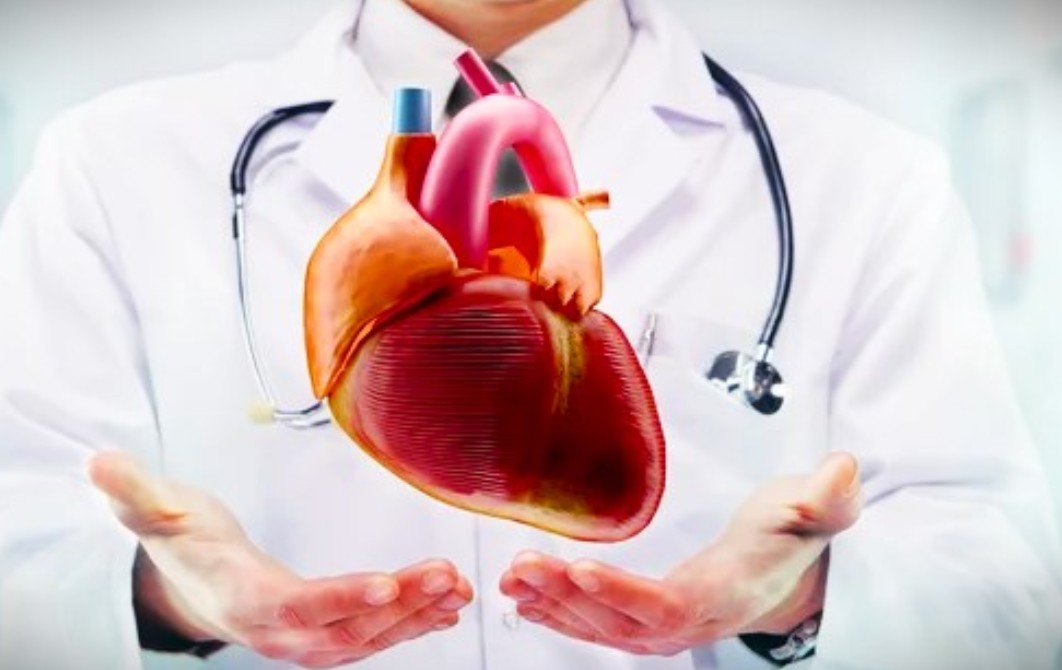
Heart health is something we often take for granted—until the body starts giving warning signals. The truth is, heart problems don’t always arrive with dramatic symptoms. Sometimes the signs are subtle, ignored, or mistaken for gas, stress, acidity, or fatigue. But delaying treatment can be dangerous, especially when it comes to the heart.
If you or your loved one is experiencing unusual symptoms, it may be time to consult a heart expert without delay. In this article, we’ll explain the symptoms that indicate you need a heart specialist immediately, why these signs should never be ignored, and when to seek urgent care.
If you live in Uttar Pradesh and are searching for the best cardiologist in Gorakhpur, this guide will help you understand what to watch out for and how to act quickly.
Why Recognizing Heart Symptoms Early is Important
The heart is responsible for pumping oxygen-rich blood to every organ in your body. When the heart is not working properly, the body becomes deprived of oxygen and nutrients. This can lead to serious complications such as:
- Heart attack
- Heart failure
- Stroke
- Sudden cardiac arrest
- Irregular heartbeat complications
Many heart conditions can be treated effectively if diagnosed early. That’s why recognizing warning symptoms and consulting a specialist at the right time can literally save a life.
1. Chest Pain or Chest Pressure (Especially on the Left Side)
Chest pain is one of the most common and serious warning signs of heart trouble. It may feel like:
- Tightness
- Heavy pressure
- Burning sensation
- Squeezing pain
- Discomfort in the center or left side of the chest
Sometimes, people confuse heart-related chest pain with acidity or gas. But if the pain is persistent, worsening, or happens during physical activity, it could be a sign of blocked arteries or a heart attack.
Seek immediate medical help if chest pain:
- Lasts more than 5–10 minutes
- Comes with sweating or breathlessness
- Spreads to the arm, neck, or jaw
- Feels heavy and crushing
2. Shortness of Breath (Even Without Exercise)
If you feel breathless while doing normal activities like walking, climbing stairs, or even resting, it could indicate a heart problem.
Shortness of breath may occur due to:
- Weak heart pumping
- Fluid buildup in the lungs
- Heart valve issues
- Heart failure
Many people ignore this symptom thinking it’s due to lack of fitness, weight gain, or seasonal issues. But sudden or frequent breathlessness is a serious sign and needs immediate evaluation.
3. Pain Spreading to Arm, Jaw, Back, or Shoulder
Heart pain doesn’t always stay in the chest. It can radiate to other parts of the body such as:
- Left arm (most common)
- Right arm
- Jaw
- Neck
- Upper back
- Shoulder
This type of pain is often linked to heart attack symptoms, especially when combined with chest pressure or sweating.
If you experience this pain suddenly, do not delay—get emergency care immediately.
4. Rapid, Irregular, or Skipping Heartbeats (Palpitations)
Occasional palpitations can happen due to stress, caffeine, or lack of sleep. But if your heartbeat feels:
- Too fast
- Too slow
- Irregular
- Like it is skipping beats
- Like it is “fluttering” in the chest
It could be a sign of arrhythmia (irregular heartbeat), which may increase the risk of stroke or heart failure if untreated.
You should consult a heart specialist if palpitations occur frequently or come with dizziness and weakness.
5. Sudden Dizziness, Fainting, or Feeling Like You May Collapse
Feeling dizzy once in a while is common, but repeated dizziness or fainting can indicate reduced blood flow to the brain due to heart issues.
Possible heart-related causes include:
- Low blood pressure due to weak heart function
- Heart rhythm problems
- Heart valve disorders
- Sudden drop in oxygen levels
If someone faints suddenly, especially with chest discomfort or breathlessness, it requires urgent medical attention.
6. Unexplained Sweating (Cold Sweats)
If you suddenly start sweating heavily without physical exertion, especially with chest pain or nausea, it could be a warning sign of a heart attack.
Heart-related sweating often feels:
- Cold and clammy
- Sudden and intense
- Unusual compared to normal sweating
This symptom should never be ignored, especially in people with diabetes, high BP, or a family history of heart disease.
7. Swelling in Feet, Ankles, or Legs
Swelling in the lower body can be caused by many conditions, but it is also a major sign of heart failure.
When the heart cannot pump blood properly, fluid starts collecting in the body, leading to:
- Swollen feet
- Puffy ankles
- Tight shoes suddenly
- Weight gain due to fluid retention
If swelling increases day by day or comes with breathlessness, consult a heart specialist immediately.
8. Extreme Fatigue or Weakness (Without Any Clear Reason)
Feeling tired after work is normal. But extreme tiredness that does not improve even after rest can be a sign of heart trouble—especially in women.
You should take fatigue seriously if:
- You feel exhausted doing small tasks
- You feel weak and sleepy all day
- You feel breathless with tiredness
- You feel sudden loss of energy
Chronic fatigue may indicate reduced oxygen supply due to poor heart function.
9. Nausea, Vomiting, or Indigestion-Like Discomfort
Many people don’t realize that heart issues can sometimes feel like stomach problems. Symptoms may include:
- Nausea
- Vomiting
- Heavy feeling in the upper abdomen
- Indigestion that doesn’t go away
This is more common in women and older adults. If nausea occurs with chest discomfort, sweating, or breathlessness, it may indicate a heart attack.
10. High Blood Pressure with Symptoms
High blood pressure is often called the “silent killer” because it may not show symptoms. But when BP rises severely, it may cause:
- Headache
- Chest pain
- Breathlessness
- Blurred vision
- Confusion
If your BP remains high repeatedly, it increases the risk of heart attack and stroke. You should consult a cardiologist for proper management.
Who is at Higher Risk of Heart Problems?
You should be extra careful if you have:
- Diabetes
- High BP
- High cholesterol
- Obesity
- Smoking habit
- Alcohol addiction
- Family history of heart disease
- Stress and poor sleep routine
- Lack of physical activity
Even if symptoms seem mild, high-risk individuals should not ignore warning signs.
When Should You Visit a Heart Specialist Hospital in Gorakhpur?
If you experience any of the symptoms mentioned above, do not delay. It is always safer to consult a specialist early. Visiting a trusted heart specialist hospital in Gorakhpur can help you get timely tests like ECG, Echo, TMT, and blood investigations.
Many patients also prefer choosing the best heart hospital in gorakhpur for accurate diagnosis, emergency care, and advanced treatment options.
Final Words
Your heart sends warning signals when something is wrong. Ignoring those symptoms can lead to serious complications. Chest pain, breathlessness, palpitations, dizziness, swelling, and unexplained fatigue are some of the strongest signs that you need a heart specialist immediately.
If you or your loved one is experiencing any of these symptoms, consult the best cardiologist in Gorakhpur without delay. Early diagnosis, correct treatment, and lifestyle changes can protect your heart and improve your quality of life.