








If you’ve ever wondered why so many businesses are shifting their supply chains toward the Gulf, the answer usually comes down to one country: the UAE. Strategically placed between Europe, Asia, and Africa, the UAE has quietly built itself into one of the most efficient trading ecosystems on the planet. Companies like Arabiantrading are at the center of this shift, helping businesses navigate everything from customs paperwork to storage solutions with far less friction than most people expect.
Whether you’re a first-time importer or a seasoned distributor looking to scale, understanding how Import Export and Warehousing in UAE works can save you real time, money, and headaches.
The UAE’s Location Isn’t Just Lucky — It’s Strategic
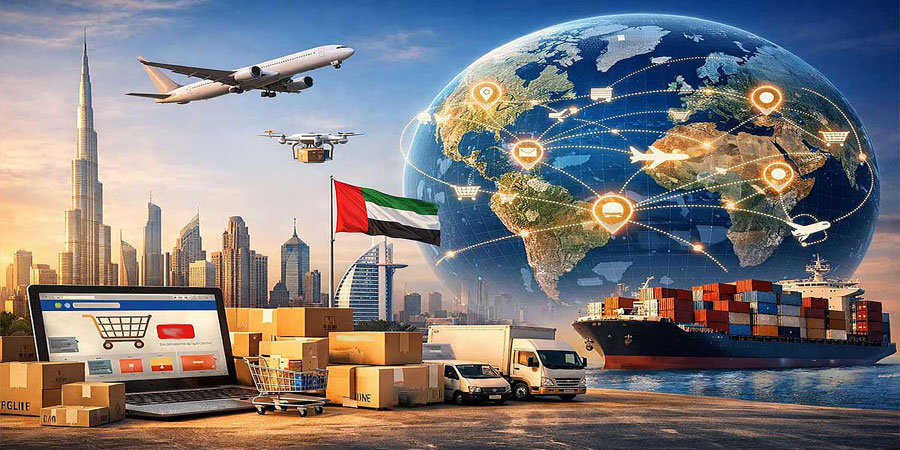
Dubai and Abu Dhabi sit within an eight-hour flight of roughly two-thirds of the world’s population. That’s not a coincidence business leaders overlook. Ports like Jebel Ali, one of the busiest in the region, connect ships to over 150 destinations, while free zones offer tax exemptions, 100% foreign ownership, and streamlined licensing.
This is exactly why Import Export and Warehousing in UAE has become a phrase you’ll hear constantly in trade circles. It’s not just about moving goods — it’s about moving them faster, cheaper, and with fewer regulatory bottlenecks than almost anywhere else.
Import and Export: What Actually Happens Behind the Scenes
Most people assume importing goods is as simple as placing an order and waiting for a container to show up. In reality, there’s a web of documentation, customs clearance, tariff classification, and compliance checks that can trip up even experienced traders.
A few things every importer or exporter in the UAE needs to get right:
- Accurate HS Code classification – misclassifying goods can delay shipments for weeks.
- Certificates of Origin – required for most cross-border shipments to qualify for reduced tariffs.
- VAT and customs duty calculations – the UAE applies a standard 5% VAT, plus duties depending on product category.
- Free zone vs. mainland trading rules – each comes with different tax and ownership implications.
This is where working with an experienced partner makes a genuine difference. Getting these details wrong isn’t just inconvenient — it can mean fines, seized shipments, or damaged business relationships with overseas partners.
Warehousing: The Quiet Backbone of Trade Success
While import-export gets most of the attention, warehousing is arguably the more underrated piece of the puzzle. A shipment that clears customs perfectly but sits in a poorly managed warehouse can still lose value, get damaged, or arrive late to the end customer.
Modern UAE warehousing facilities have moved well past simple storage. Today’s setups typically include:
- Climate-controlled zones for sensitive goods (pharmaceuticals, electronics, perishables)
- Real-time inventory tracking systems
- Cross-docking capabilities to reduce storage time and cost
- Bonded warehousing options that defer duty payments until goods actually enter the local market
For businesses juggling multiple markets, bonded warehouses in particular are a quiet game-changer. They let companies store inventory in the UAE without paying import duties immediately, which frees up working capital until goods are actually sold or re-exported.
Why Businesses Are Consolidating Operations Under One Roof
There’s a growing trend of companies choosing to handle Import Export and Warehousing in UAE through a single, integrated provider rather than juggling separate vendors for shipping, customs, and storage. The logic is simple: fewer handoffs mean fewer chances for something to go wrong.
When one team manages the entire chain — from the moment goods leave the origin country to the moment they’re stored and ready for distribution — visibility improves dramatically. You know exactly where your inventory is, what stage of clearance it’s in, and how quickly it can move once a customer places an order.
This is precisely the kind of end-to-end support that platforms like Arabiantrading have built their reputation on: connecting traders with reliable logistics partners, warehousing facilities, and customs expertise without the usual back-and-forth confusion.
What This Means for Small and Mid-Sized Businesses
There’s a common myth that the UAE’s trade infrastructure is only accessible to large corporations with big budgets. That’s simply not true anymore. Free zones across Dubai, Sharjah, and Abu Dhabi have specifically designed packages for SMEs, including flexible warehousing (pay only for the space you use) and simplified licensing for smaller trading operations.
If you’re a growing business trying to break into Middle Eastern, African, or South Asian markets, setting up even a modest warehousing presence in the UAE can dramatically cut delivery times and shipping costs compared to shipping directly from your home country every single time.
Looking Ahead: Where UAE Trade Is Headed
The UAE government has made no secret of its ambition to become the world’s top logistics hub by the end of the decade. Investments in port infrastructure, digital customs clearance (much of it now automated), and expanded free zone offerings all point in one direction: even smoother trade operations in the coming years.
For any business thinking long-term, getting familiar with Import Export and Warehousing in UAE now — rather than later — positions you ahead of competitors still relying on slower, more traditional trade routes.
Final Thoughts
The UAE isn’t just a convenient stopover for global trade anymore — it’s a genuine strategic asset for businesses that want speed, flexibility, and cost efficiency. From customs clearance to bonded storage, the pieces are all in place for companies of any size to plug in and scale. Partnering with experienced platforms that understand both the regulatory landscape and the practical logistics side, like Arabiantrading, often makes the difference between a smooth expansion and a costly learning curve.
Frequently Asked Questions
- What documents are required for importing goods into the UAE? Typically, you’ll need a commercial invoice, packing list, certificate of origin, bill of lading or airway bill, and an import license issued by the relevant free zone or mainland authority.
- Is warehousing in the UAE expensive for small businesses? Not necessarily. Many free zones offer flexible, pay-as-you-go warehousing options, making it accessible even for smaller trading operations rather than only large enterprises.
- What’s the difference between mainland and free zone trading? Mainland companies can trade directly within the UAE local market, while free zone companies enjoy tax benefits and full foreign ownership but face more restrictions on direct local sales without a distributor.
- What is bonded warehousing, and why does it matter? A bonded warehouse allows goods to be stored without paying import duties upfront. Duties are only paid once goods leave the warehouse for local sale, which helps businesses manage cash flow more effectively.
- How long does customs clearance usually take in the UAE? With proper documentation, clearance can often be completed within 24 to 48 hours, thanks to the UAE’s largely digitized and automated customs systems.
- Can foreign companies fully own a trading business in the UAE? Yes. Most free zones allow 100% foreign ownership, and recent reforms have extended similar allowances to many mainland business categories as well.